
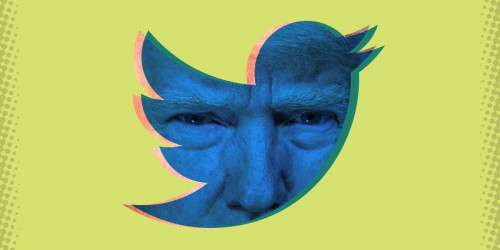
President Trump Loses — Government Can't Block Critics on Social Media
In a long-awaited ruling, the Second Circuit has found that the replies section on President Trump’s Twitter @realDonaldTrump is a public forum and that the President cannot block his critics from reading his tweets or participating in the forum merely because he dislikes the views they express. This ruling,...

Adjusting the Scope of our Security Vulnerability Disclosure Program
At EFF we put security and privacy first. That's why over three years ago we launched EFF's Security Vulnerability Disclosure Program. The Disclosure Program is a set of guidelines on how security researchers can tell EFF about bugs in the software we develop, like HTTPS Everywhere or ...

Interoperability: Fix the Internet, Not the Tech Companies
Everyone in the tech world claims to love interoperability—the technical ability to plug one product or service into another product or service—but interoperability covers a lot of territory, and depending on what's meant by interoperability, it can do a lot, a little, or nothing at all to protect users, innovation...
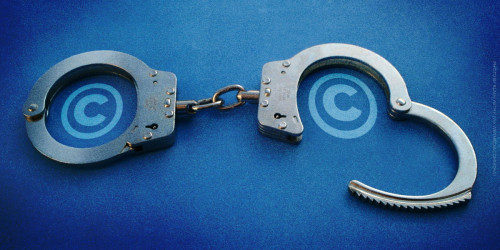
Life-Altering Copyright Lawsuits Could Come to Regular Internet Users Under a New Law Moving in the Senate
The Senate Judiciary Committee intends to vote on the CASE Act, legislation that would create a brand new quasi-court for copyright infringement claims. We have expressed numerous concerns with the legislation, and serious problems inherent with the bill have not been remedied by Congress before moving it forward. In...
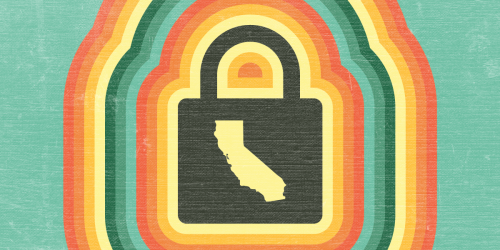
California’s Senate Judiciary Committee Blocks Efforts to Weaken California’s Privacy Law
The California Senate Judiciary Committee heard five bills on Tuesday that EFF and other privacy advocates strongly opposed. These measures, backed by big business and the tech industry, would have eviscerated the California Consumer Privacy Act (CCPA), a landmark privacy law passed last year. We thank the Senate Judiciary...

Don’t Be Scared: European and Chinese Software Patents Won't Hurt U.S. Businesses
A Senate subcommittee recently concluded three days of testimony about a proposed patent bill that, we have explained, would be a terrible idea. Proponents of the bill keep saying that Section 101 of U.S. patent law, which bars patents on things like abstract ideas and laws of nature, needs...
Could Regulatory Backlash Entrench Facebook’s New Cryptocurrency Libra?
Facebook’s new cryptocurrency Libra has garnered attention from lawmakers and consumer groups since it was announced last month. And it’s no wonder: with a wince-inducing history of data disclosure scandals, the Facebook brand has become synonymous with ineptitude at protecting privacy. They’re bringing that tarnished reputation to cryptocurrency,...

A Better Digital Future Is Possible
It’s EFF’s 29th birthday, and we need you to help us celebrate! For two weeks only, become an EFF member for just $20 and get a set of Internet freedom-themed enamel pins to help you remember that together we’ve got this.Each summer we renew EFF’s promise to defend the...

The Privacy and Civil Liberties Oversight Board Signals It Will investigate NSA Surveillance, Facial Recognition, and Terror Watchlists
After a long dormant stretch, the Privacy and Civil Liberties Oversight Board (PCLOB) has signaled it’s ready to tackle another big review of government surveillance and overreach. The PCLOB, an independent agency in the executive branch, last published a 2014 report on warrantless surveillance of the Internet by the...
Media Briefing Monday: EFF and Partners Will Discuss California Bills Aimed at Weakening State’s Consumer Privacy Law
San Francisco—On Monday, June 8, at 11 am, the Electronic Frontier Foundation (EFF), the ACLU, Common Sense Media, Privacy Rights Clearinghouse, and Consumer Reports will hold a conference call to brief reporters about five bills designed to weaken consumer privacy protections that are set for hearing in the California Senate.Members...

