


The Best of Europe’s Web Went Dark Today. We Can’t Let That Be Our Future.
We’re into the final days before members of the European Parliament vote on the Copyright and the Digital Single Market Directive, home of the censoring Article 13, and the anti-news Article 11. Europeans are still urging their MEPs to vote down these articles (if you haven’t already, call now,...
More Than 130 European Businesses Tell the European Parliament: Reject the #CopyrightDirective
The EU's Copyright Directive will be voted on in the week of March 25 (our sources suggest the vote will take place on March 27th, but that could change); the Directive has been controversial all along, but it took a turn for the catastrophic during the late stages of...

EFF Submits Consumer Data Privacy Comment to the California Attorney General
The California Consumer Privacy Act (CCPA) requires the California Attorney General to take input from the public on regulations to implement the law, which does not go into effect until 2020.The Electronic Frontier Foundation has filed comments on two issues: first, how to verify consumer requests to companies for access...

The European Copyright Directive: What Is It, and Why Has It Drawn More Controversy Than Any Other Directive In EU History?
During the week of March 25, the European Parliament will hold the final vote on the Copyright Directive, the first update to EU copyright rules since 2001; normally this would be a technical affair watched only by a handful of copyright wonks and industry figures, but the Directive has become...

Here’s Why You Can’t Trust What Cops and Companies Claim About Automated License Plate Readers
Emails Prove ICE Could Access Data from Orange County Shopping Malls, Despite the Companies' DenialsIn response to an ACLU report on how law enforcement agencies share information collected by automated license plate readers (ALPRs) with Immigration and Customs Enforcement, officials have been quick to deny and ...
Why the Debate Over Privacy Can't Rely on Tech Giants
Ever since the Cambridge Analytica scandal last summer, consumer data privacy has been a hot topic in Congress. The witness table has been dominated by the biggest platforms, with those in lockstep with the tech giants earning the vast majority of attention. However, this week marked the first time that...

Our Thoughts on the New Zealand Massacre
EFF is deeply saddened and disturbed by the massacre in New Zealand. We offer our condolences to the survivors and families of victims.This horrific event had an online component; one gunman livestreamed the event, and it appears that he had an active and hateful online presence. Enforcing their terms of...

Critical Free Speech Protections Are Under Attack in Texas
Update: This bill was greatly improved with amendments, but EFF still was unable to support it. Texas Governor Greg Abbott signed H.B. 2730 on June 2, 2019. A bill introduced in Texas threatens the free speech rights of 28 million residents by making it easier to bring frivolous lawsuits...
If It Really Wants To Restore Debate, Facebook Should Update Its Ad Policy
Last week, Facebook CEO Mark Zuckerberg announced a new “privacy-focused” direction for the company that, while sounding great in theory, also set off several alarm bells—including concerns about competition as the company moves to make its messaging properties indistinguishable from one another. As usual for Zuckerberg, it’s all...
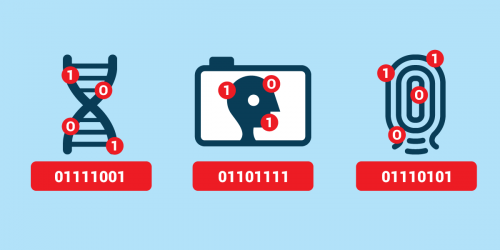
When Facial Recognition Is Used to Identify Defendants, They Have a Right to Obtain Information About the Algorithms Used on Them, EFF Tells Court
We urged the Florida Supreme Court yesterday to review a closely-watched lawsuit to clarify the due process rights of defendants identified by facial recognition algorithms used by law enforcement. Specifically, we told the court that when facial recognition is secretly used on people later charged with a crime, those...

