

The Impact of "Extremist" Speech Regulations on Human Rights Content
AT&T Sues California to Prevent Oversight Over IP Based 911 Calls Using State Law AT&T Supported and Wants Renewed
The California legislature in 2011 passed a law to remove state and local authority over the broadband access market to “ensure a vibrant and competitive open Internet that allows California's technology businesses to continue to flourish and contribute to economic development throughout the state.” Sounds good, right?But that never happened....

A Terrible Patent Bill is On the Way
Recently, we reported on the problems with a proposal from Senators Coons and Tillis to rewrite Section 101 of the Patent Act. Now, those senators have released a draft bill of changes they want to make. It’s not any better.Section 101 prevents monopolies on basic research tools that...
EFF Receives $300,000 Donation from Craig Newmark Philanthropies to Support Threat Lab
Great news for EFF’s Threat Lab: Craig Newmark Philanthropies has donated $300,000 to support its work to protect journalists, sources, and others against targeted malware attacks.EFF identifies and tracks the rise of malware attacks, which primarily affect journalists and their sources globally. We have collaborated with groups like...

Fines Aren’t Enough: Here’s How the FTC Can Make Facebook Better
The Federal Trade Commission is likely to announce that Facebook’s many violations of users’ privacy in recent years also violated its consent decree with the commission. In its financial filings, Facebook has indicated that it expects to be fined between $3 and $5 billion by the FTC. But...

EFF Asks San Bernardino Court to Review Cell-Site Simulator and Digital Search Warrants That Are Likely Improperly Sealed
Since the California legislature passed a 2015 law requiring cops to get a search warrant before probing our devices, rifling through our online accounts, or tracking our phones, EFF has been on a quest to examine court filings to determine whether law enforcement agencies are following the new rules....

If Regulators Won’t Stop The Sale of Cell Phone Users’ Location Data, Consumers Must
A Motherboard investigation revealed in January how any cellphone users’ real-time location could be obtained for $300. The pervasiveness of the practice, coupled with the extreme invasion of people’s privacy, is alarming.The reporting showed there is a vibrant market for location data generated by everyone’s cell phones—information that can...
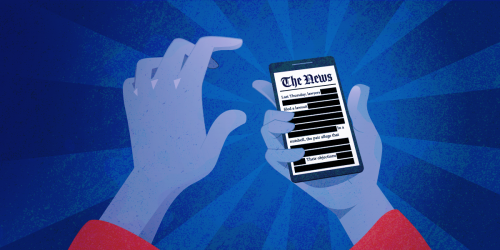
The Government’s Indictment of Julian Assange Poses a Clear and Present Danger to Journalism, the Freedom of the Press, and Freedom of Speech
The century-old tradition that the Espionage Act not be used against journalistic activities has now been broken. Seventeen new charges were filed yesterday against Wikileaks founder Julian Assange. These new charges make clear that he is being prosecuted for basic journalistic tasks, including being openly available to receive...
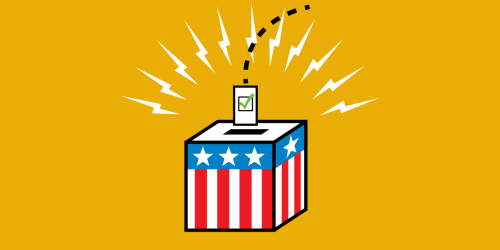
Rep. Thompson Works to Secure Our Elections
Foreign adversaries and domestic dirty tricksters can secretly hack our nation’s electronic voting systems. That’s why information security experts agree we must go back to basics: paper ballots. We also need “risk-limiting audits,” meaning mandatory post-election review of a sample of the paper ballots, to ensure the election-night “official” results...
Digital Advertising, Consumer Privacy and More
Digital ads—and control of the user data that makes them so profitable—are the heart of the consumer privacy debate. Earlier this week, the U.S. Senate Judiciary Committee held a hearing titled “Understanding the Digital Advertising Ecosystem and the Impact of Data Privacy and Competition Policy” to grapple with these...

