

The T-Mobile and Sprint Merger Is Blatantly Anticompetitive
There is no saving grace for the federal government approving what is on its face an illegal horizontal merger between T-Mobile and Sprint. The wireless market is already highly concentrated according to the Department of Justice’s own guidelines, and this merger only exacerbates the problem. Mergers that bring extreme levels...
DOJ and FBI Show No Signs of Correcting Past Untruths in Their New Attacks on Encryption

Someone Is Suing Companies for Using SMS Messages in 2019
Anuwave’s Suit Against Coinbase Demonstrates a Longstanding Flaw in the Patent SystemThis month’s Stupid Patent of the Month deals with SMS (short messaging service), a technology that goes back to the mid-1980s. Modern-day SMS messages, typically bundled with mobile phone services, have been around since 1992, but one...

Building Community in Brooklyn: A Grassroots Case Study
Grassroots-level organizing has long been an important tool for advancing policy goals and activating a constituency. More importantly, local organizing can provide an avenue through which the skills and knowledge of some are leveraged to support the previously-unmet needs of the wider community. As a member of the ...

Equifax Settlement Won’t be Enough to Deter Future Breaches: The Law Must Catch Up
Last week, news broke of a large financial settlement for the massive 2017 Equifax data breach affecting 147 million Americans. While the direct compensation to those harmed and the fines paid are important, it’s equally important to evaluate how much this result is likely to create strong incentives to...
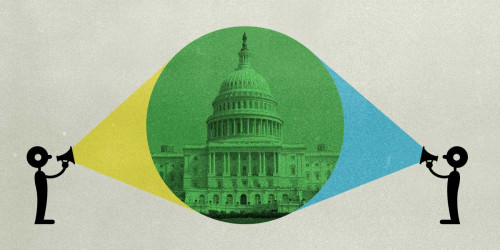
Congress Is Home For the Summer and Ready to Hear From You
When it comes to politics, in-person meetings make a huge difference. Just a few questions from constituents during town halls can show a representative or senator which issues are resonating with the residents of their district or state. Even if you’ve never met an elected representative before, showing up IRL...

Thanks for Fighting for a Better Digital Future
We at EFF are deeply grateful to each one of the 2,076 people who gave a donation during our Better Digital Future membership drive. They join the over 30,000 supporters around the world who have answered our call to reclaim the fate of the Internet. Your help allows us to...
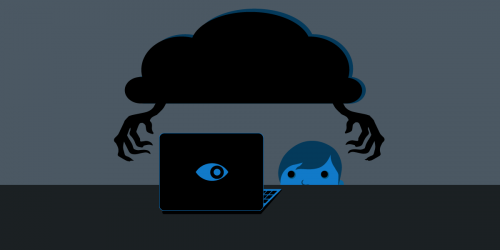
The Key to Safety Online Is User Empowerment, Not Censorship
The Senate Judiciary Committee recently held a hearing on “Protecting Digital Innocence.” The hearing covered a range of problems facing young people on the Internet today, with a focus on harmful content and privacy-invasive data practices by tech companies. While children do face problems online, some committee members seemed...

This Summer, Take Some Time to Stand Up for Net Neutrality
As we head into the August, Congress will be on recess and most of your senators and representatives will be heading back to their home states. That means it’ll be easier for you to reach out and talk to them or their staff and ask them to act on important...

Fixed? The FTC Orders Facebook to Stop Using Your 2FA Number for Ads
Since academics and investigative journalists first reported last year that Facebook was using people’s two-factor authentication numbers and “shadow” contact information for targeted advertising, Facebook has shown little public interest in fixing this critical problem. Subsequent demands that Facebook stop all non-essential uses of these...

