

A Flourishing Internet Depends on Competition
Antitrust law has long recognized that monopolies stifle innovation and gouge consumers on price. When it comes to Big Tech, harm to innovation—in the form of “kill zones,” where major corporations buy up new entrants to a market before they can compete with them—has been easy to find. Consumer...

California Attorney General Issues New Guidance on Military Equipment to Law Enforcement
California law enforcement should take note: the state’s Attorney General has issued a new bulletin advising them on how to comply with AB 481—a state law that regulates how law enforcement agencies can use, purchase, and disclose information about military equipment at their disposal. This important guidance comes...

Prosecutors in Washington State Warn Police: Don’t Use Gen AI to Write Reports
The King County Prosecuting Attorney’s Office, which handles all prosecutions in the Seattle area, has instructed police in no uncertain terms: do not use AI to write police reports...for now. This is a good development. We hope prosecutors across the country will exercise such caution as companies continue to...

Preemption Playbook: Big Tech’s Blueprint Comes Straight from Big Tobacco
Big Tech is borrowing a page from Big Tobacco's playbook to wage war on your privacy, according to Jake Snow of the ACLU of Northern California. We agree. In the 1990s, the tobacco industry attempted to use federal law to override a broad swath of existing state laws and...

Courts Agree That No One Should Have a Monopoly Over the Law. Congress Shouldn’t Change That

EFF and IFPTE Local 20 Attain Labor Contract
SAN FRANCISCO—Employees and management at the Electronic Frontier Foundation have achieved a first-ever labor contract, they jointly announced today. EFF employees have joined the Engineers and Scientists of California Local 20, IFPTE. The EFF bargaining unit includes more than 60 non-management employees in teams across...

Civil Rights Commission Pans Face Recognition Technology
In its recent report, Civil Rights Implications of Face Recognition Technology (FRT), the U.S. Commission on Civil Rights identified serious problems with the federal government’s use of face recognition technology, and in doing so recognized EFF’s expertise on this issue. The Commission focused its investigation on the Department of...

New EFF Report Provides Guidance to Ensure Human Rights are Protected Amid Government Use of AI in Latin America
Governments increasingly rely on algorithmic systems to support consequential assessments and determinations about people’s lives, from judging eligibility for social assistance to trying to predict crime and criminals. Latin America is no exception. With the use of artificial intelligence (AI) posing human rights challenges in...
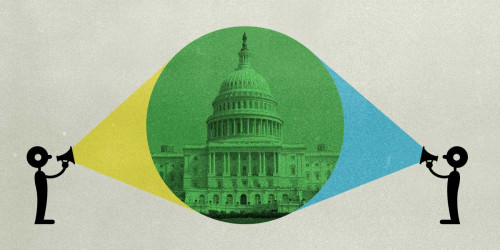
EFF to New York: Age Verification Threatens Everyone's Speech and Privacy
Young people have a right to speak and access information online. Legislatures should remember that protecting kids' online safety shouldn't require sweeping online surveillance and censorship.EFF reminded the New York Attorney General of this important fact in comments responding to the state's recently passed Stop Addictive Feeds Exploitation (SAFE)...
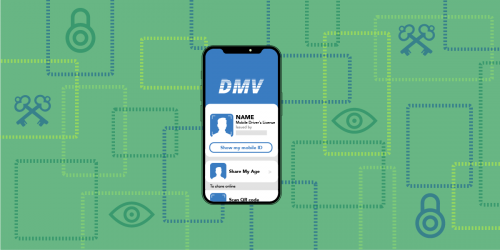
Should I Use My State’s Digital Driver’s License?
A mobile driver’s license (often called an mDL) is a version of your ID that you keep on your phone instead of in your pocket. In theory, it would work wherever your regular ID works—TSA, liquor stores, to pick up a prescription, or to get into a bar. This sounds...

