
California's DELETE Act Protects Us From Data Brokers
When it comes to the reckless trade of our personal information, data brokers are the problem. These entities collect then sell personal information they’ve amassed on individuals with very little oversight. This includes very sensitive information such as buying habits, financial records, social media activity,...
Announcing the Tor University Challenge
Tor is a valuable tool for browsing the web anonymously, but since it's powered by volunteers willing to share some bandwidth and a computer, it's always in need of additional help. Which is why EFF is announcing the Tor University Challenge, a project asking universities to start running Tor...

Portland TA3M: Portland Surveillance Technology Inventory
Portland's Techno-Activism Third Mondays, a local organization in the Electronic Frontier Alliance (not EFF), will host this event:Portland Surveillance Technology InventoryFrom the Organizers:As you likely know, cities around the world are increasingly adopting surveillance technologies in the hope of solving a variety of problems. While these...
It's Summer Security Week at EFF

EFF at Las Vegas Hacker Summer Camp
The EFF team is pleased to return to the Las Vegas hacker summer camp conferences—BSidesLV, Black Hat USA and DEF CON 31—to rally behind computer security researchers and tinkerers. This entire week of events is a meaningful opportunity to reconnect with the infosec and hacker community, who...
Your Computer Should Say What You Tell It To Say
WEI? I’m a frayed knotTwo pieces of string walk into a bar.The first piece of string asks for a drink.The bartender says, “Get lost. We don’t serve pieces of string.”The second string ties a knot in his middle and messes up his ends. Then he orders a drink. The bartender...

EFF to 9th Circuit: App Stores Shouldn’t Be Liable for Processing Payments for User Content
EFF filed a brief this week in the U.S. Court of Appeals for the Ninth Circuit arguing that app stores should not be liable for user speech just because they recommend that speech or process payments for those users. Those stores should be protected by Section 230, a...
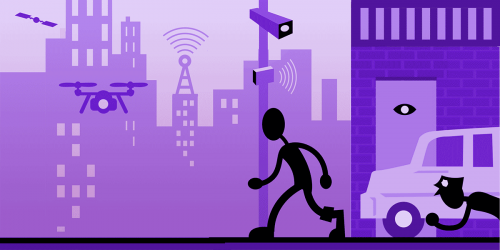
The Impending Privacy Threat of Self-Driving Cars
Within a few years, fully self-driving cars have gone from science fiction to a very common reality for people in San Francisco with other places in the U.S. also testing the new technology. With innovations often come unintended consequences—one of which is the massive collection of data required for...