



Generative AI Policy Must Be Precise, Careful, and Practical: How to Cut Through the Hype and Spot Potential Risks in New Legislation

Settled Human Rights Standards as Building Blocks for Platform Accountability and Regulation: A Contribution to the Brazilian Debate
Download the reportSince at least a decade ago, human rights institutions have acknowledged the enabling potential of the internet to realize a range of human rights. Digital technologies have been...
EFF Awards 2023

Expanding Broadband in Portland, The Time Is Now
Access to high-speed internet in our homes is an essential service like water and electricity, not a luxury. Our local and regional governments have a responsibility to provide equitable, accessible, and affordable fast-internet service to every home and business- just like electricity, water, and waste removal. Portland, Oregon, has existing...
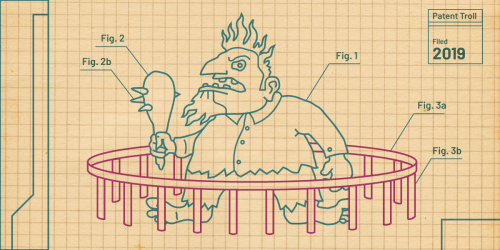
The U.S. Patent Office Should Drop Proposed Rules That Favor Patent Trolls

Nurturing the Internet Freedom Movement 🌱

Preliminary Injunction Limiting Government Communications with Platforms Tackles Illegal “Jawboning,” But Fails to Provide Guidance on What’s Unconstitutional
A July 4 preliminary injunction issued by a federal judge in Louisiana limiting government contacts with social media platforms deals with government “jawboning”—urging private persons and entities to censor another’s speech—a serious issue deserving serious attention and judicial scrutiny.The First Amendment forbids the government from coercing a private entity...

DSA Must Follow a Human-Rights Centered Enforcement Process, With Regulators Engaging International Civil Society Voices
EFF and its partners in the Digital Services Act (DSA) Human Rights Alliance called on European Union (EU) regulators today to engage international civil society voices and forge a human rights centered approach in talks about the implementation and enforcement of the DSA, which sets out new responsibilities and rules...
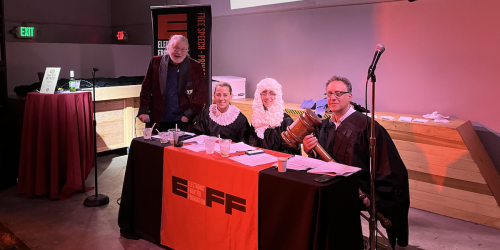
Raise a Glass: EFF's 15th Annual Cyberlaw Trivia Winners!
What do you get when you gather a bunch of the sharpest legal minds in one room with delicious food and obscure tech law trivia? That's right, you get EFF's 15th Annual Cyberlaw Trivia night!On June 29th we had a full house—with eight teams from technology law firms and internet...
EFF Urges Supreme Court to Make Clear That Government Officials Have First Amendment Obligations When They Use Their Social Media Accounts for Governmental Purposes
Washington, D.C. — Electronic Frontier Foundation urged the Supreme Court today to send a loud and clear message to government officials around the country who use social media in furtherance of their official duties, but then block people who criticize them: Doing so violates our First Amendment right to...

