



Open Access Weathers a Governmental Sea Change: 2017 in Review
In the first few weeks of 2017, just days after President Donald Trump took office, reports emerged that the Environmental Protection Agency and the Department of Agriculture were instructing scientists on staff not to talk to the public or the press. The reports raised serious questions among open access...

Broadband Privacy: 2017 Year in Review
It seems like a no-brainer that an Internet Service Provider (ISP) should have to get your permission to snoop on and use the private information you generate as you browse the Internet. In 2017, pressure from the telecom industry led to Congress and the president rolling back protections for broadband...
Tipping the Scales on HTTPS: 2017 in Review
The movement to encrypt the web reached milestone after milestone in 2017. The web is in the middle of a massive change from non-secure HTTP to the more secure, encrypted HTTPS protocol. All web servers use one of these two protocols to get web pages from the server to...

Communities from Coast to Coast Fight for Control Over Police Surveillance: 2017 in Review
Americans in 2017 lived under a threat of constant surveillance, both online and offline. While the battle to curtail unaccountable and unconstitutional NSA surveillance continued this year with only limited opportunities appearing in Congress, the struggle to secure community control over surveillance by local police has...
Seven Times Journalists Were Censored: 2017 in Review
Social media platforms have developed into incredibly useful resources for professional and citizen journalists, and have allowed people to learn about and read stories that may never have been published in traditional media. Sharing on just one of a few large platforms like Facebook, Twitter, and YouTube may mean the...

Time to Rethink Copyright Safe Harbors? 2017 in Review
The Worst Law in Technology Strikes Again: 2017 in Review
The latest on the Computer Fraud and Abuse Act? It’s still terrible. And this year, the detrimental impacts of the notoriously vague and outdated criminal computer crime statute showed themselves loud and clear. The statute lies at the heart of the Equifax breach, which might have been averted if...

New Places, New Faces in Patents: 2017 in Review
This year was once again active in terms of patent law and policy. Throughout it all, EFF worked to protect end user and innovator rights. We pushed for a rule that would end the Eastern District of Texas’ unwarranted dominance as a forum for patent litigation. We also defended...
Court Challenges to NSA Surveillance: 2017 in Review
One of the government’s most powerful surveillance tools is scheduled to sunset in less than three weeks, and, for months, EFF has fought multiple legislative attempts to either extend or expand the NSA’s spying powers—warning the public, Representatives, and Senators about circling bills that threaten Americans’ privacy. But the frenetic,...
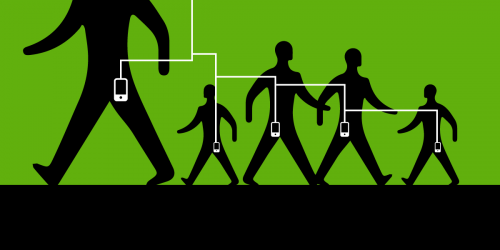
The Supreme Court Finally Takes on Law Enforcement Access to Cell Phone Location Data: 2017 in Review
Protecting the highly personal location data stored on or generated by digital devices is one of the 21st century’s most important privacy issues. In 2017, the Supreme Court finally took on the question of how law enforcement can get ahold of this sensitive information.Whenever you use a cell phone, whether...

