

Stop the Newest Border Screening Bill
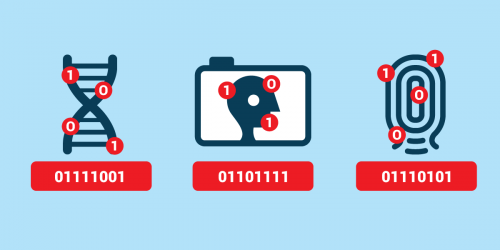
Biometric screening, surveillance drones, social media snooping, license plate readers—all this and more would be required by new federal legislation to expand high-tech spying on U.S. citizens and immigrants alike at and near the U.S. border.
Sen. Charles Grassley (R-IA) introduced “the SECURE Act” (S. 2192) on December...
Resolution on Transparency of Trade Negotiations Endorsed at U.N. Internet Governance Forum Meeting
All this week, EFF is at the 12th annual meeting of the global Internet Governance Forum (IGF) in Geneva. Last year we co-organized the first ever main session of the IGF on trade and the Internet, recognizing how trade negotiations are incorporating an increasing number of Internet-related issues,...
EFF Asks Copyright Office to Improve Exemptions to the Digital Millennium Copyright Act
Washington, D.C.—The Electronic Frontier Foundation (EFF) asked the Librarian of Congress today to limit the legal barriers people face when they want to repair and modify software-enabled products, so that they—not manufacturers— control the appliances, computers, toys, vehicles, and other products they own.
In comments filed in Washington D.C....

Senator Calls on Courts to Increase Transparency of Surveillance Orders
Federal courts must end the excessive secrecy surrounding law enforcement surveillance orders, a U.S. Senator urged in a letter on Friday. This secrecy block’s the public’s ability to fully understand how police conduct this surveillance, the lawmaker wrote.
The letter, sent by Sen. Ron Wyden (D-Or), asks federal...

Team Internet Is Far From Done: What’s Next For Net Neutrality and How You Can Help
Defying the facts, the law, and the will of millions of Americans, the Federal Communications Commission has voted to repeal net neutrality protections. It’s difficult to understate how radical the FCC’s decision was.
The Internet has operated under formal and informal net neutrality principles for years. For...
Don’t Reauthorize NSA Spying in a Must-Pass Funding Bill
The next two weeks will be a flurry of activity in Congress. Before they can leave for the holidays, our government must—at minimum—pass at least one bill to keep the government running and also decide what to do about a controversial NSA spying authority called Section 702. Some legislators want...
FISC Assurances on Spying Leave Too Many Questions Unanswered
Last week, FBI Director Christopher Wray faced questions from the House Judiciary Committee about how his department is implementing one of the government’s most powerful surveillance tools. Despite repeated bipartisan requests, Director Wray refused to tell the Members of the Committee how many Americans have been impacted by Section 702,...

Amended Version of FOSTA Would Still Silence Legitimate Speech Online
The House Judiciary Committee is about to decide whether to approve a new version [.pdf] of the Allow States and Victims to Fight Online Sex Trafficking Act (FOSTA, H.R. 1865), a bill that would force online platforms to police their users’ speech more closely.
The new...

EFF to Court: Accessing Publicly Available Information on the Internet Is Not a Crime
EFF is fighting another attempt by a giant corporation to take advantage of our poorly drafted federal computer crime statute for commercial advantage—without any regard for the impact on the rest of us. This time the culprit is LinkedIn. The social networking giant wants violations of its corporate policy...
Video: How the Court System Is Abused to Chill Activist Speech
One of the most pernicious forms of censorship in modern America is the abuse of the court system by corporations and wealthy individuals to harass, intimidate, and silence their critics.
We use the term “Strategic Lawsuit Against Public Participation,” more commonly known as a “SLAPP,” to describe this phenomenon....

