

Amid Systemic Censorship of Palestinian Voices, Facebook Owes Users Transparency

Activists Mobilize to Fight Censorship and Save Open Science

EFF Sues Police Standards Agency to Obtain Use of Force Training Materials
Woodland, California—The Electronic Frontier Foundation (EFF) sued the California Commission on Peace Officer Standards and Training (POST) to obtain materials showing how police are trained in the use of force, after the organization cited third-party copyright interests to illegally withhold them from the public.The lawsuit, filed under California’s Public Records...
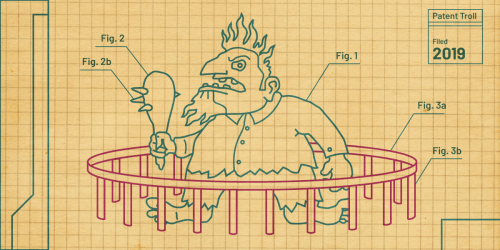
Washington State Has Sued a Patent Troll For Violating Consumer Protection Laws
Landmark Technology, a patent troll that has spent 20 years threatening and suing small businesses over bogus patents, and received EFF’s Stupid Patent of the Month award in 2019, has been sued by the State of Washington.Washington Attorney General Bob Ferguson has filed a lawsuit claiming that Landmark...

Fighting Disciplinary Technologies
An expanding category of software, apps, and devices is normalizing cradle-to-grave surveillance in more and more aspects of everyday life. At EFF we call them “disciplinary technologies.” They typically show up in the areas of life where surveillance is most accepted and where power imbalances are the norm: in our...

#ParoNacionalColombia and Digital Security Considerations for Police Brutality Protests
In the wake of Colombia’s tax reform proposal, which came as more Colombians fell into poverty as a result of the pandemic, demonstrations spread over the country in late April, reviving social unrest and socio-economic demands that led people to the streets in 2019.The government's attempts to reduce...

Community Control of Police Spy Tech

Help Bring Dark Patterns To Light
Coalition Launches ‘Dark Patterns’ Tip Line to Expose Deceptive Technology Design
San Francisco – The Electronic Frontier Foundation (EFF) has joined Consumer Reports, Access Now, PEN America, and DarkPatterns.org in launching the “Dark Patterns Tip Line”—a project for the public to submit examples of deceptive design patterns they see in technology products and services.“Dark patterns” design tactics are used to...

Lawsuit Against Snapchat Rightfully Goes Forward Based on “Speed Filter,” Not User Speech
The U.S. Court of Appeals for the Ninth Circuit has allowed a civil lawsuit to move forward against Snapchat, a smartphone social media app, brought by the parents of three teenage boys who died tragically in a car accident after reaching a maximum speed of 123 miles per hour....

