

Supreme Court Overturns Overbroad Interpretation of CFAA, Protecting Security Researchers and Everyday Users
EFF has long fought to reform vague, dangerous computer crime laws like the CFAA. We're gratified that the Supreme Court today acknowledged that overbroad application of the CFAA risks turning nearly any user of the Internet into a criminal based on arbitrary terms of service. We remember the...
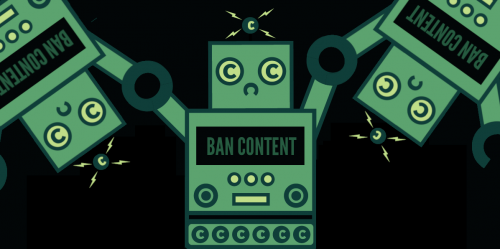
The EU Commission's Refusal to Let Go of Filters
The EU copyright directive has caused controversy than any other proposal in recent EU history - and for good reason. In abandoning traditional legal mechanisms to tackle copyright infringement online, Article 17 (formerly Article 13) of the directive introduced a new liability regime for online platforms, supposedly in...

Why Indian Courts Should Reject Traceability Obligations
Strong end-to-end encryption is under attack in India. The Indian government’s new and dangerous online intermediary rules forcing messaging applications to track—and be able to identify—the originator of any message is fundamentally incompatible with the privacy and security protections of strong encryption. Companies were obliged to comply with the...
PayPal Shuts Down Long-Time Tor Supporter with No Recourse
Larry Brandt, a long-time supporter of internet freedom, used his nearly 20-year-old PayPal account to put his money where his mouth is. His primary use of the payment system was to fund servers to run Tor nodes, routing internet traffic in order to safeguard privacy and avoid country-level censorship....

Your Avatar is You, However You See Yourself, and You Should Control Your Experience and Your Data
Virtual worlds are increasingly providing sophisticated, realistic, and often immersive experiences that are the stuff of fantasy. You can enter them by generating an avatar - a representation of the user that could take the form of an animal, a superhero, a historic figure, each some version of yourself or...
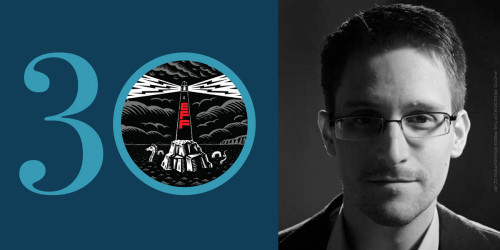
EFF at 30: Surveillance Is Not Obligatory, with Edward Snowden
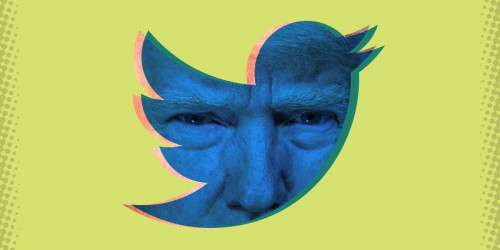
Newly Released Records Show How Trump Tried to Retaliate Against Social Media For Fact-Checking
A year ago today, President Trump issued an Executive Order that deputized federal agencies to retaliate against online social media services on his behalf, a disturbing and unconstitutional attack on internet free expression.To mark this ignoble anniversary, EFF and the Center for Democracy & Technology are making records...
Chile’s New “Who Defends Your Data?” Report Shows ISPs’ Race to Champion User Privacy
Derechos Digitales’ fourth ¿Quien Defiende Tus Datos? (Who Defends Your Data?) report on Chilean ISPs' data privacy practices launched today, showing that companies must keep improving their commitments to user rights if they want to hold their leading positions. Although Claro (América Móvil) remains at the forefront as...

European Court on Human Rights Bought Spy Agencies’ Spin on Mass Surveillance
The European Court of Human Rights (ECHR) Grand Chamber this week affirmed what we’ve long known, that the United Kingdom’s mass surveillance regime, which involved the indiscriminate and suspicionless interception of people’s communications, violated basic human rights to privacy and free expression. We applaud the Strasbourg-based ...
DMA Proposal: How to Improve It?
In December 2020, the EU Commission presented a new standard for large platforms that act as gatekeepers in an attempt to create a fairer and more competitive market for online platforms in the EU.

