The internet is global, and so is EFF. Whether it’s fighting bad laws and treaties or supporting the work of a global alliance of internet activists, EFF is protecting your rights worldwide.
Centering Users' Voices in Global Policymaking
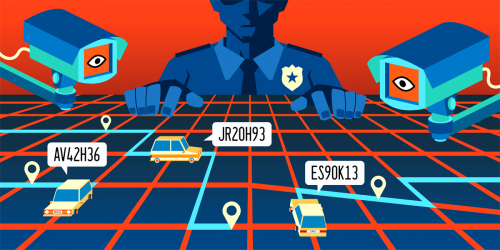
The rules and regulations made in one country or region can impact people all over the world. EFF looks at the big picture, and fights to make sure that legislation protects the fundamental rights of users everywhere while tackling platform dominance. Across the Americas we remain vigilant and raise alarms against regulations that undermine human rights, expand arbitrary surveillance or demand critical accountability steps in their application. We also want to make sure that the voices of people who are impacted by technology are heard in these processes, such as embedding user-rights protections in key European Union laws such as the Digital Services Act or the Digital Markets Act,advocating for a user-centred enforcement.
Developing Global Principles
Where international bodies lack an adequate rights-based framework for their deliberations, EFF works to fill the gap by developing global principles such as the Manila Principles for Intermediary Liability and the Necessary and Proportionate Principles. We use these to promote users' rights on the global stage in bodies such as the United Nations General Assembly and the Organization for Economic Co-operation and Development (OECD).
Defending Rights in Courts
EFF leads legal interventions in an array of international courts like the European Court of Human Rights (ECtHR), the Inter-American Court of Human Rights (IA Court) and the ECOWAS Court to defend individuals subject to human rights abuses, as well as to uphold fundamental principles. EFF also submits amicus briefs in jurisdictions around the world, serves as expert witness and provides affidavits.
Protecting Vulnerable Populations from Digital Attacks
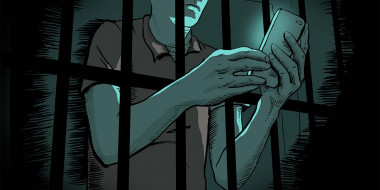
EFF works to protect vulnerable populations from digital attacks by researching the threats that these populations face, such as state-sponsored malware; raising awareness of digital privacy and security issues through Surveillance Self-Defense; and conducting security trainings based on these materials. We also defend the rights of security researchers through our work on export controls and EFF's Coders Rights project. With our Offline project, EFF highlights international cases of individuals who have used technology to speak out against abuse, or have built and shared technology that protects or extends human rights, and have been imprisoned as a result. We work with the communities that support these prisoners of conscience, draw attention to their predicament, and work for their release.
Joining Forces Across the Globe
EFF works closely in coalition with partners and allies to promote free expression, defend the rights of technologists, and provide support to regional allies. We are members of IFEX and the Middle East Alliance for Digital Rights (MADR). We have longstanding partnerships across the Middle East and North Africa and Latin America, and also work with partners across Sub-Saharan Africa and Asia to protect speech and privacy rights in those regions. We have built strong collaborations to call out human rights risks in global norms, such as the UN Cybercrime Convention. In Europe, we co-lead the DSA Human Rights Alliance, are proud members of EDRi, the European Digital Rights network, and collaborate with many digital rights organizations, including in the United Kingdom.
Addressing Human Rights Impacts of Digital Technologies
EFF also works internationally to address the human rights impacts of digital technologies through litigation, policy advocacy, research, and corporate accountability initiatives. We’re involved in monitoring and responding to human rights abuses associated with companies like Google, Amazon, Palantir and Microsoft. We work in coalition to fight back against internet shutdowns and collaborate on projects like Stop Silencing Palestine. We leverage international human rights norms as practical, authoritative guidance to state use of emerging technologies. And we co-created the Santa Clara Principles on Transparency and Accountability in Content Moderation to help protect users’ rights on social media platforms.