The online world offers the promise of speech with minimal barriers and without borders. New technologies and widespread internet access have radically enhanced our ability to express ourselves; criticize those in power; gather and report the news; and make, adapt, and share creative works. Vulnerable communities have also found space to safely meet, grow, and make themselves heard without being drowned out by the powerful. The ability to freely exchange ideas also benefits innovators, who can use all of their capabilities to build even better tools for their communities and the world.
In the U.S., the First Amendment grants individuals the right to speak without government interference. And globally, Article 19 of the International Covenant on Civil and Political Rights (ICCPR) protects the right to speak both online and offline. Everyone should be able to take advantage of this promise. And no government should have the power to decide who gets to speak and who doesn’t.
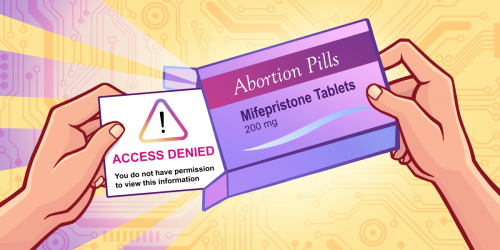
Government threats to online speakers are significant. Laws and policies have enabled censorship regimes, controlled access to information, increased government surveillance, and minimized user security and safety.
At the same time, online speakers’ reliance on private companies that facilitate their speech has grown considerably. Online services’ content moderation decisions have far-reaching impacts on speakers around the world. This includes social media platforms and online sites selectively enforcing their Terms of Service, Community Guidelines, and similar rules to censor dissenting voices and contentious ideas. That’s why these services must ground their moderation decisions in human rights and due process principles.
As the law and technology develops alongside our ever-evolving world, it’s important that these neither create nor reinforce obstacles to people’s ability to speak, organize, and advocate for change. Both the law and technology must enhance people’s ability to speak. That’s why EFF fights to protect free speech - because everyone has the right to share ideas and experiences safely, especially when we disagree.