


Sneaky Change to the TPP Drastically Extends Criminal Penalties
When the text of the Trans-Pacific Partnership (TPP) was first released in November last year, it included provisions dictating the kinds of penalties that should be available in cases of copyright infringement. Amongst those provisions, the following footnote allowed countries some flexibility in applying criminal procedures and penalties to...
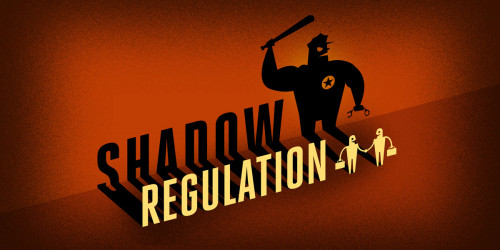
MPAA May Like Donuts, but They Shouldn’t Be the (Copyright) Police
The companies and organizations that run the Internet’s domain name system shouldn’t be in the business of policing the contents of websites, or enforcing laws that can impinge on free speech. The staff of ICANN, the organization that oversees that system, agrees. That’s why it’s not surprising that the...
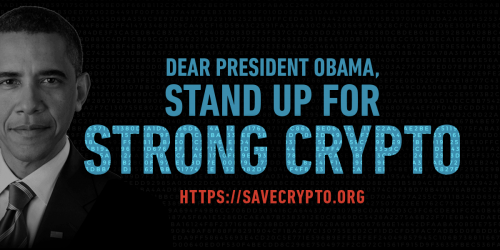
White House Executive Order on Privacy Falls Short
This morning, the White House announced an Executive Order establishing a federal interagency privacy council composed of senior privacy officials from two dozen federal agencies. While seeming to offer some promise, however, the council has a limited mandate, and ultimately represents an overdue nod to privacy principles the administration...
The Battle for the Web: Five Years After Egypt's #Jan25 Uprising
The Commerce Department Has Good Recommendations For Fixing Copyright Law - But More is Needed
The U.S. Commerce Department released its long-awaited White Paper on fixes to copyright law yesterday and it's a pretty mixed bag. It includes some good recommendations on how Congress should change the law, but punts on some crucial enduring problems.
This paper grew out of a series of...

Why Are Universities Fighting Open Education?
A Tired Argument Over Software Patents Is Holding Up Common-Sense Reforms
In December, over 3,000 of you rallied in support in support of a proposed Department of Education (ED) policy that would make ED-funded educational resources a lot more accessible to educators and students around the world.
...
No One Owns The Law. Everyone Owns The Law.
Last week, as part of EFF’s annual Copyright Week, we wrote about the need for transparency in creating copyright restrictions in the international arena. As a current legal battle shows, however, it is equally important that copyright restrictions not interfere with transparency and open access to the law itself....
“Notice-and-Stay-Down” Is Really “Filter-Everything”
The Proposal Is Unfair to Both Users and Media Platforms
There’s a debate happening right now over copyright bots, programs that social media websites use to scan users’ uploads for potential copyright infringement. A few powerful lobbyists want copyright law to require platforms that host third-party content to employ...
Digital Freedom Depends on the Right to Tinker
One of the most crucial issues in the fight for digital freedom is the question of who will control the hardware that you have in your home, in your pocket, or in your own body.
Have you ever been frustrated when a beloved feature was taken away in an...

Senator Franken Concerned Over Google’s Treatment of Student Privacy
UPDATE: Google provided Sen. Franken with a response on Feb. 12, 2016.
After we filed our complaint with the Federal Trade Commission (FTC) about Google's unauthorized collection of personal information from school children using Chromebooks and the company's educational apps, we heard from hundreds of parents...

