



Innovative Police Transparency Measure Dies in California
We are deeply disappointed to learn that a powerful surveillance transparency reform bill in California has died in the Assembly Appropriations committee today. S.B. 21 sought to hold police departments accountable by giving the public a voice in how law enforcement acquires and deploys new surveillance systems. The bill...

Stupid Patent of the Month: JP Morgan Patents Interapp Permissions
We have often criticized the Patent Office for issuing broad software patents that cover obvious processes. Instead of promoting innovation in software, the patent system places landmines for developers who wish to use basic and fundamental tools. This month’s stupid patent, which covers user permissions for mobile applications, is a...

Electronic Frontier Foundation, ACLU Win Court Ruling That Police Can't Keep License Plate Data Secret
San Francisco, California—The Electronic Frontier Foundation (EFF) and the ACLU won a decision by the California Supreme Court that the license plate data of millions of law-abiding drivers, collected indiscriminately by police across the state, are not “investigative records” that law enforcement can keep secret. California’s...
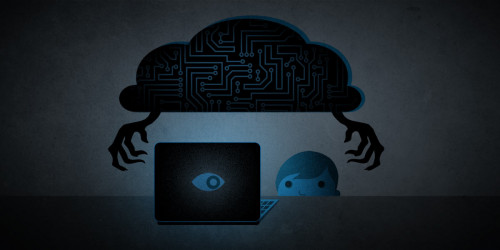
Student Privacy Tips for Teachers
The new school year starts next week for most schools across the country. As part of the first line of defense in protecting student privacy, teachers need to be ready to spot the implications of new technology and advocate for their students' privacy rights.
Our student...
Judge Cracks Down on LinkedIn’s Shameful Abuse of Computer Break-In Law
Good news out of a court in San Francisco: a judge just issued an early ruling against LinkedIn’s abuse of the notorious Computer Fraud and Abuse Act (CFAA) to block a competing service from perfectly legal uses of publicly available data on its website. LinkedIn’s behavior is just the...

Taking the Fight to the Appeals Court: Don’t Lock Laws Behind Paywalls
It’s almost too strange to believe, but a federal court ruled earlier this year that copyright can be used to control access to parts of our state and federal laws—forcing people to pay a fee or sign a contract to read and share them. On behalf of Public.Resource.Org,...

India's Supreme Court Upholds Right to Privacy as a Fundamental Right—and It's About Time
Last week's unanimous judgment by the Supreme Court of India (SCI) in Justice K.S. Puttaswamy (Retd) vs Union of India is a resounding victory for privacy. The ruling is the outcome of a petition challenging the constitutional validity of the Indian biometric identity scheme Aadhaar. The judgment's ringing endorsement...
Twitter (and Others) Double Down on Advertising and Tracking
In June, Twitter discontinued its support for Do Not Track (DNT), the privacy-protective browser signal it has honored since 2012. EFF argued that Twitter should reconsider this decision, but that call has gone unheeded. In response, EFF’s Privacy Badger has new features to mitigate user tracking both...
Student Privacy Tips for Students
Students: As you get ready to go back to school, add "review your student privacy rights" to your back-to-school to-do list, right next to ordering books and buying supplies. Exciting new technology in the classroom can also mean privacy violations, including the chance that your personal devices and online...
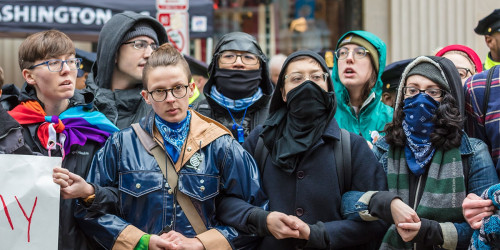
EFF urges stronger oversight of DOJ’s digital search of J20 protestor website
District of Columbia Superior Court Judge Robert Morin ruled today that DreamHost must comply with federal prosecutors’ narrowed warrant seeking communications and records about an Inauguration Day protest website: disruptj20.org; but they will have to present the court with a “minimization plan” that includes the names of all government...

