


Tell Your Senator: Vote No on the EARN IT Act
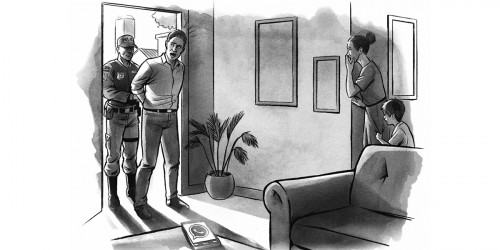
5 Serious Flaws in the New Brazilian “Fake News” Bill that Will Undermine Human Rights [UPDATED]
Update: On Tuesday night (6/30), the Brazilian Senate approved the “PLS 2630/2020”, the so-called “Fake News” bill. A final amendment cut back on article 7 “Account Registration” so that mandatory identification no longer applies to all users and is, in principle, optional in general. Under the revised text, companies...
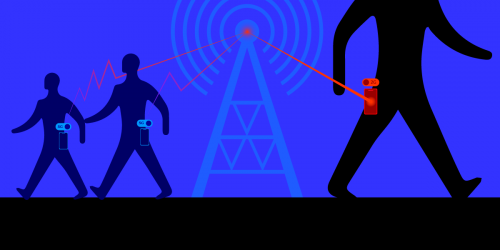
Your Phone Is Vulnerable Because of 2G, But it Doesn't Have to Be
Security researchers have been talking about the vulnerabilities in 2G for years. 2G technology, which at one point underpinned the entire cellular communications network, is widely known to be vulnerable to eavesdropping and spoofing. But even though its insecurities are well-known and it has quickly become archaic, many...

Egypt's Crackdown on Free Expression Will Cost Lives
For years, EFF has been monitoring a dangerous situation in Egypt: journalists, bloggers, and activists have been harassed, detained, arrested, and jailed, sometimes without trial, in increasing numbers by the Sisi regime. Since the COVID-19 pandemic began, these incidents have skyrocketed, affecting free expression both online and offline. As...

Dutch Law Proposes a Wholesale Jettisoning of Human Rights Considerations in Copyright Enforcement
With the passage of last year's Copyright Directive, the EU demanded that member states pass laws that reduce copyright infringement by internet users while also requiring that they safeguard the fundamental rights of users (such as the right to free expression) and also the limitations to copyright. These safeguards...

Your Objections to the Google-Fitbit Merger
EFF Legal Intern Rachel Sommers contributed to this post.When Google announced its intention to buy Fitbit in April, we had deep concerns. Google, a notoriously data-hungry company with a track record of reneging on its privacy policies, was about to buy one of the most successful wearables company...
EFF and Durie Tangri Join Forces to Defend Internet Archive’s Digital Library
San Francisco – The Electronic Frontier Foundation (EFF) is joining forces with the law firm of Durie Tangri to defend the Internet Archive against a lawsuit that threatens their Controlled Digital Lending (CDL) program, which helps people all over the world check out digital copies of books owned by the...

California Agency Blocks Release of Police Use of Force and Surveillance Training, Claiming Copyright
Under a California law that went into effect on January 1, 2020, all law enforcement training materials must be “conspicuously” published on the California Commission on Peace Officer Standards and Training (POST) website. However, if you visit POST’s Open Data hub and try to download the officer training...

The Senate’s New Anti-Encryption Bill Is Even Worse Than EARN IT, and That’s Saying Something
Right now, we rely on secure technologies like never before—to cope with the pandemic, to organize and march in the streets, and much more. Yet, now is the moment some members of the Senate Judiciary and Intelligence Committees have chosen to try to effectively outlaw encryption in those very technologies.The...

Victory! Boston Bans Government Use of Face Surveillance
The push to minimize the government’s power to track and spy on people with surveillance technology has picked up steam as the Black-led movement against racism and police brutality continues to push politicians to reconsider the role policing plays in our lives. Thanks to the tireless efforts of ACLU-Massachusetts...

