



Researchers Targeting AI Bias, Sex Worker Advocate, and Global Internet Freedom Community Honored at EFF’s Pioneer Award Ceremony
San Francisco – The Electronic Frontier Foundation (EFF) is honored to announce the 2020 Barlow recipients at its Pioneer Award Ceremony: artificial intelligence and racial bias experts Joy Buolamwini, Dr. Timnit Gebru, and Deborah Raji; sex worker activist and tech policy and content moderation researcher Danielle Blunt; and the global...

EFF to EU Commission on Article 17: Prioritize Users’ Rights, Let Go of Filters
During the Article 17 (formerly #Article13) discussions about the availability of copyright-protected works online, we fought hand-in-hand with European civil society to avoid all communications being subjected to interception and arbitrary censorship by automated upload filters. However, by turning tech companies and online services operators into copyright police, the final...
Spain’s New Who Defends Your Data Report Shows Robust Privacy Policies But Crucial Gaps to Fill
ETICAS Foundation’s second ¿Quien Defiende Tus Datos? (Who Defends Your Data?) report on data privacy practices in Spain shows how Spain’s leading Internet and mobile app providers are making progress in being clear about how users' personal data is being protected. Providers are disclosing what information is being...

Workplace Surveillance in Times of Corona
With numbers of COVID-19 infections soaring again in the United States and around the world, we have to learn how to manage its long-term ramifications for our economies. As people adjust to minimizing the risk of infections in everyday settings, one critical context is work. Even though millions have shifted...
EFF Tells California Supreme Court Not to Require ExamSoft for Bar Exam
This week, EFF sent a letter (pdf link) to the Supreme Court of California objecting to the required use of the proctoring tool ExamSoft for the October 2020 California Bar Exam. Test takers should not be forced to give their biometric data to ExamSoft, the letter says, which...
California Still Needs Privacy Protections for COVID Tracking Apps
Many states have launched their own versions of exposure notification or tracking apps as a part of their response to the ongoing COVID-19 pandemic. California may be poised to join them. Yet the Golden State still has not enacted any privacy standards for state COVID tracking apps, or for...
Human Rights and TPMs: Lessons from 22 Years of the U.S. DMCA
In 1998, Bill Clinton signed the Digital Millennium Copyright Act (DMCA), a sweeping overhaul of U.S. copyright law notionally designed to update the system for the digital era. Though the DMCA contains many controversial sections, one of the most pernicious and problematic elements of the law is Section 1201,...
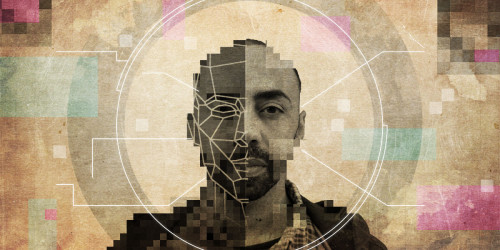
Portland’s Fight Against Face Surveillance
This Wednesday, the Portland City Council will hear from residents, businesses, and civil society as they consider banning
government use of face recognition technology within the city.
Over 150 Portland-area business owners, technologists, workers, and residents have signed our
About Face petition calling...
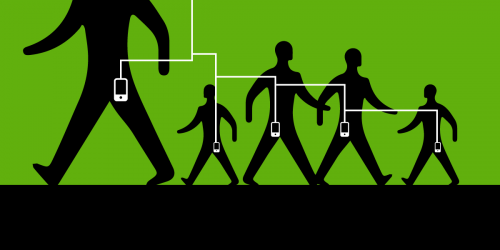
Exposure Notification Technology is Ready for Its Closeup
Since this COVID-19 crisis began people have looked to technology to assist in contact tracing and notification. Technology will never be a silver bullet to solve a deeply human crisis, even if it might assist. No app will work absent widespread testing with human follow up. Smartphones are not...

EFF Responds to EU Commission on the Digital Services Act: Put Users Back in Control
The European Union is currently preparing for a significant overhaul of its core platform regulation, the e-Commerce Directive. Earlier this year the European Commission, the EU’s executive, pledged to reshape Europe’s digital future and to propose an entire package of new rules, the Digital Services Act (DSA)....

