
Vaccine Passports: 2021 in Review
2021 has been the year of vaccines, in light of the continuing worldwide pandemic. It has also been the year of vaccine passports. To fully tell this story, let’s go back to 2020, because the term vaccine passport as many people use it has changed since then. Early in the...
2021 Was the Year Lawmakers Tried to Regulate Online Speech
On the biggest internet platforms, content moderation is bad and getting worse. It’s difficult to get it right, and at the scale of millions or billions of users, it may be impossible. It’s hard enough for humans to sift between spam, illegal content, and offensive but legal speech. Bots...
Stalkerware: 2021 in Review
Stalkerware—that is, commercially-available apps that can be covertly installed on another person’s device for the purpose of monitoring their activity without their knowledge or consent—is nothing new, but 2021 has underscored just how prevalent and dangerous these apps continue to be and how important it is for companies and government...
The Atlas of Surveillance Turns the Dragnet on Police Tech: 2021 Year in Review
This past year, EFF's Atlas of Surveillance project mobilized hundreds of student journalists and volunteer researchers to turn the tables on police spying by building the largest ever public-facing database of police surveillance technology. As EFF has long documented, local law enforcement agencies around the United States are...

The Future is in Interoperability Not Big Tech: 2021 in Review
2021 was not a good year for Big Tech: a flaming cocktail of moderation failings, privacy breaches, leaked nefarious plans, illegal collusion and tone-deaf, arrogant pronouncements stoked public anger and fired up the political will to do something about the unaccountable power and reckless self-interest...
Pushing Back on Police Surveillance: 2021 Year in Review
A year after the police murder of George Floyd, Black-led protests against police violence continue, as does resistance to police departments across the country growing their surveillance toolbelts and unnecessarily amassing troves of personal data. EFF stands with protesters against police abuse, and stands up for the core rights...
Electronic Frontier Alliance Defending Local Communities: 2021 in Review
In another year of masking up, local communities have found enough footing to push back on surveillance tech and fight for our digital rights. Members of the Electronic Frontier Alliance have continued to innovate by organizing workshops and trainings for neighbors, overwhelmingly online, and made important headway on issues like...
Support a Better Web for Everyone & Unlock Grants for EFF

Podcast Episode: The Life of the (Crypto) Party
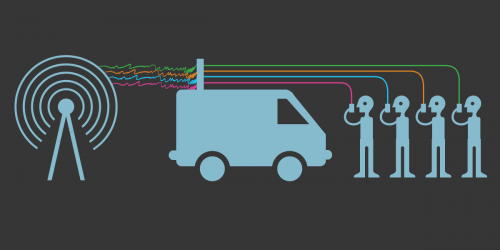
EFF Continues Legal Fight to Release Records Showing How Law Enforcement Uses Cell-site Simulators
Four years ago, EFF set out on a mission to chase down the paper trail left behind when cops in California use cell-site simulators. This trail has led us to a California appellate court, where next spring we will face-off with San Bernardino County law enforcement over whether they can...

