Abortion Information Is Coming Down Across Social Media. What Is Happening and What Next.
Reports have surfaced about the removal of information about abortion from social media. Unfortunately, none of it is unprecedented. Platforms like Facebook and Instagram have long maintained broad and vague community standards that allow them to remove content with little recourse.What Is HappeningAs reported by Vice and followed up...
Federal Preemption of State Privacy Law Hurts Everyone
There's a lot of discussion right now about how a federal privacy bill, the American Data Privacy Protection Act (H.R.8152), will affect state privacy laws. EFF has a clear position on this: federal privacy laws should not roll back state privacy protections. The ADPPA, as currently written, would...
DSA Human Rights Alliance

Americans Deserve More Than The Current American Data Privacy Protection Act
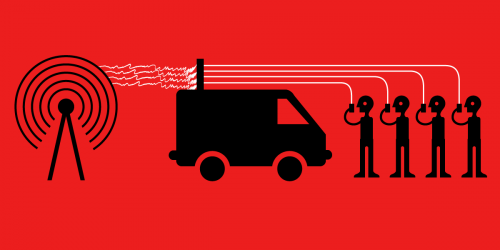
Police Are Still Abusing Investigative Exemptions to Shield Surveillance Tech, While Others Move Towards Transparency
How transparent are police about surveillance technology? It depends on where you look. When it comes to acceptable levels of secrecy around police tools, states have drawn their lines in very different places, resulting in some communities where it is much harder for the public to know what invasive tools...

New Amendments to Intermediary Rules threaten Free Speech in India
EFF joined the Association of Progressive Communications (APC) and other digital rights organizations from around the world, urging the Indian government to withdraw its new amendment to Intermediary Guidelines and Digital Media Ethics Code (2021 IT Rules). EFF has already expressed its concerns about IT Rules’ chilling...

EFF's Submissions and Coalition Letters to the UN Ad Hoc Cybercrime Committee
Reconvened concluding session, New York, 29 July - 9 August 2024
- EFF and Human Rights Watch submission re: scope, human rights safeguards, and rights of the child.