


Despite What Zuckerberg’s Testimony May Imply, AI Cannot Save Us
Yesterday and today, Mark Zuckerberg finally testified before the Senate and House, facing Congress for the first time to discuss data privacy in the wake of the Cambridge Analytica scandal. As we predicted, Congress didn’t stick to Cambridge Analytica. Congress also grilled Zuckerberg on content moderation—i.e., ...
European Copyright Law Isn't Great. It Could Soon Get a Lot Worse.
EFF has been writing about the upcoming European Digital Single Market directive on copyright for a long time now. But it's time to put away the keyboard, and pick up the phone, because the proposal just got worse—and it's headed for a crucial vote on June 20-21. For those...

Brexit Doesn't Have to Mean Deleting Domains
The European Commission dropped a surprise announcement last week that following the withdrawal of the United Kingdom from the European Union ("Brexit"), British domain owners may no longer be entitled to keep their ".eu" domain names. Not only will it no longer be possible for United Kingdom residents or...
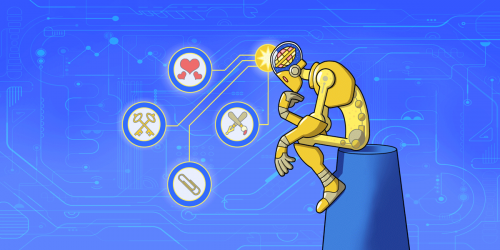
Google Should Not Help the U.S. Military Build Unaccountable AI Systems
Thousands of Google staff have been speaking out against the company’s work for “Project Maven,” according to a New York Times report this week. The program is a U.S. Department of Defense (DoD) initiative to deploy machine learning for military purposes. There was a small amount of public...
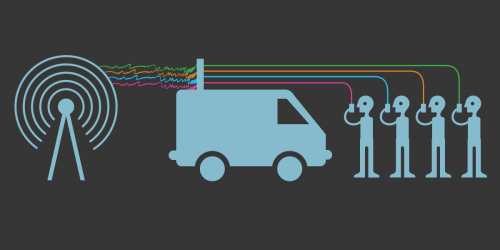
DHS Confirms Presence of Cell-site Simulators in U.S. Capital
The Department of Homeland Security has finally confirmed what many security specialists have suspected for years: cell-phone tracking technology known as cell-site simulators (CSS) are being operated by potentially malicious actors in our nation's capital.DHS doesn't know who's operating them or why, or whether these fake cell towers...
Brazil’s ISPs Line up for their Privacy Stars in “Quem Defende Seus Dados”
InternetLab, the Brazilian independent research center, has published their third edition of “Quem Defende Seus Dados?" (Who defends your data?"), an annual report which evaluates the practices of their local Internet Service Providers (ISPs), and how they treat their customers’ personal data when the government demands it.This...

Data Privacy Policy Must Empower Users and Innovation
As the details continue to emerge regarding Facebook's failure to protect its users' data from third-party misuse, a growing chorus is calling for new regulations. Mark Zuckerberg will appear in Washington to answer to Congress next week, and we expect lawmakers and others will be asking not only what...
“Fake News” Offers Latin American Consolidated Powers An Opportunity to Censor Opponents
Today’s headlines are dominated by the role of misinformation campaigns or “fake news” in undermining democracy in the West. From ongoing accusations of Russian meddling in Trump’s election to Russian efforts to sway the Brexit and French Presidential election votes, these countries are confronting “fake news”...

Malaysia Set to Censor Political Speech as Fake News
The government of Malaysia has rushed a new Anti-Fake News Bill into Parliament aimed at restricting political speech ahead of upcoming general elections. As with previous similar bills, this bill has been introduced with minimal time for public consultation and could pass Parliament as early as this week.The law...
Will Big Content Derail Argentina's New Intermediary Law?
The Federal Congress of Argentina is currently debating a new law on intermediary liability, which would establish a safe harbor of protection for Internet intermediaries (such as ISPs, social media platforms, and search engines) from liability for content uploaded or transmitted by third parties. For the most part, the law...

