
👮 Amazon Ring Is Back in the Mass Surveillance Game | EFFector 37.9
EFF is gearing up to beat the heat in Las Vegas for the summer security conferences! Before we make our journey to the Strip, we figured let's get y'all up-to-speed with a new edition of EFFector.This time we're covering an illegal mass surveillance scheme by the Sacramento Municipal...

Podcast Episode: Smashing the Tech Oligarchy
Many of the internet’s thorniest problems can be attributed to the concentration of power in a few corporate hands: the surveillance capitalism that makes it profitable to invade our privacy, the lack of algorithmic transparency that turns artificial intelligence and other tech into impenetrable black boxes, the rent-seeking behavior that...

Ryanair’s CFAA Claim Against Booking.com Has Nothing To Do with Actual Hacking
The Computer Fraud and Abuse Act (CFAA) is supposed to be about attacks on computer systems. It is not, as a federal district court suggested in Ryanair v. Booking.com, applicable when someone uses valid login credentials to access information to which those credentials provide access. Now that the case is...

You Went to a Drag Show—Now the State of Florida Wants Your Name

Just Banning Minors From Social Media Is Not Protecting Them
By publishing its guidelines under Article 28 of the Digital Services Act, the European Commission has taken a major step towards social media bans that will undermine privacy, expression, and participation rights for young people that are already enshrined in international human rights law. EFF recently submitted feedback...
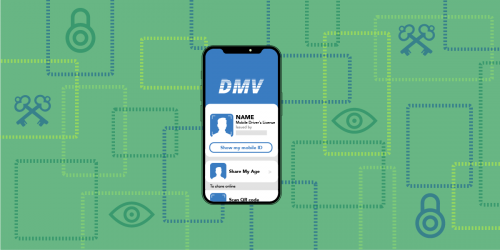
Zero Knowledge Proofs Alone Are Not a Digital ID Solution to Protecting User Privacy
In the past few years, governments across the world have rolled out digital identification options, and now there are efforts encouraging online companies to implement identity and age verification requirements with digital ID in mind. This blog is the first in this short series that will...

Canada’s Bill C-2 Opens the Floodgates to U.S. Surveillance
The Canadian government is preparing to give away Canadians’ digital lives—to U.S. police, to the Donald Trump administration, and possibly to foreign spy agencies.Bill C-2, the so-called Strong Borders Act, is a sprawling surveillance bill with multiple privacy-invasive provisions. But the thrust is clear: it’s a roadmap to...
Tech Trivia at DEF CON 33
Join us for EFF Tech Trivia at DEF CON 33 on Saturday, August 9 at 19:00! EFF's team of technology experts have crafted challenging trivia about the fascinating, obscure, and trivial aspects of digital security, online rights, and internet culture. Competing teams will plumb the unfathomable...

You Shouldn’t Have to Make Your Social Media Public to Get a Visa
The Trump administration is continuing its dangerous push to surveil and suppress foreign students’ social media activity. The State Department recently announced an unprecedented new requirement that applicants for student and exchange visas must set all social media accounts to “public” for government review. The State...
EFF Members' Speakeasy: NYC 2025
Join EFF staff and local online rights supporters for a Speakeasy meet up on Friday, August 15 in NYC! Raise a glass and discover EFF's latest work defending digital freedoms online. This event is a free, casual gathering to give you a chance to mingle with local EFF supporters and...

