

Stupid Patent of the Month: Bigger Screen Patent Highlights a Bigger Problem
For more than three years now, we’ve been highlighting weak patents in our Stupid Patent of the Month series. Often we highlight stupid patents that have recently been asserted, or ones that show how the U.S. patent system is broken. This month, we’re using a pretty silly patent in...

¿El fin de una Internet libre, abierta e inclusiva?
Este artículo fue escrito por Edison Lanza, Relator Especial para la Libertad de Expresión de la Comisión Interamericana de Derechos Humanos.
En poco más de 20 años se hizo evidente el potencial de Internet para el ejercicio de las libertades, la educación, el impacto de las redes sociales; y...
California Senate Rejects License Plate Privacy Shield Bill
The California Senate has rejected a bill to allow drivers to protect their privacy by applying shields to their license plates when parked. The simple amendment to state law would have served as a countermeasure against automated license plate readers (ALPRs) that use plates to mine our location...
Code Review Isn't Evil. Security Through Obscurity Is.
On January 25th, Reuters reported that software companies like McAfee, SAP, and Symantec allow Russian authorities to review their source code, and that "this practice potentially jeopardizes the security of computer networks in at least a dozen federal agencies." The article goes on to explain what source code review...

Private Censorship Is Not the Best Way to Fight Hate or Defend Democracy: Here Are Some Better Ideas
From Cloudflare’s headline-making takedown of the Daily Stormer last autumn to YouTube’s summer restrictions on LGBTQ content, there's been a surge in “voluntary” platform censorship. Companies—under pressure from lawmakers, shareholders, and the public alike—have ramped up restrictions on speech, adding new rules, adjusting their still-hidden algorithms and...
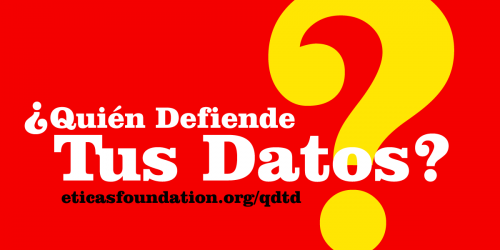
ETICAS Releases First Ever Evaluations of Spanish Internet Companies' Privacy and Transparency Practices
It’s Spain's turn to take a closer look at the practices of their local Internet companies, and how they treat their customers’ personal data.
Spain's ¿Quien Defiende Tus Datos? (Who Defends Your Data?) is a project of ETICAS Foundation, and is part of a region-wide initiative...

When Trading Track Records Means Less Privacy
Sharing your personal fitness goals—lowered heart rates, accurate calorie counts, jogging times, and GPS paths—sounds like a fun, competitive feature offered by today’s digital fitness trackers, but a recent report from The Washington Post highlights how this same feature might end up revealing not just where you are, where...
It's Time to Make Student Privacy a Priority
Last month, the Federal Trade Commission and the U.S. Department of Education held a workshop in Washington, DC. The topic was “Student Privacy and Ed Tech.” We at EFF have been trying to get the FTC to focus on the privacy risks of educational technology (or “ed tech”) for...
ICE Accesses a Massive Amount of License Plate Data. Will California Take Action?
The news that Immigrations & Customs Enforcement is using a massive database of license plate scans from a private company sent shockwaves through the civil liberties and immigrants’ rights community, who are already sounding the alarm about how mass surveillance will be used to fuel deportation efforts.
The concerns...
EFF's Fight to End Warrantless Device Searches at the Border: A Roundup of Our Advocacy
EFF has been working on multiple fronts to end a widespread violation of digital liberty—warrantless searches of travelers’ electronic devices at the border. Government policies allow border agents to search and confiscate our cell phones, tablets, and laptops at airports and border crossings for no reason, without explanation or any...

