
Eleven Teams Entered EFF's Third Annual Tech Trivia. Three Left (Victorious).
The Cybertiger is vicious. He is cunning. And he is full of dad jokes. Last week, EFF’s Cooper “Cybertiger” Quintin led three judges and eleven teams in five challenging (and comic) rounds of tech trivia, covering everything from fictional search engines in television to historical messaging protocols to ancient cryptography...

California's Assembly Privacy Committee Will Consider Only Industry Bills
We are disappointed the California Assembly Privacy and Consumer Protection Committee will not hear A.B. 1760, which would have substantially strengthened the California Consumer Privacy Act.Tomorrow, the Privacy Committee will instead vote on several bills backed by Big Tech interests that will erode the CCPA and the promises this...

The Mueller Report Can’t Be Copyrighted, Is Flagged by Copyright Bots Anyway
Did you know that anything created by federal government employees, under American law, can’t be copyrighted? They go right into the public domain. That means it’s impossible for there to be any copyright infringement on, say, a report by the Special Counsel on the investigation into the President and...

Google's Sensorvault Can Tell Police Where You've Been
Do you know where you were five years ago? Did you have an Android phone at the time? It turns out Google might know—and it might be telling law enforcement.In a new article, the New York Times details a little-known technique increasingly used by law enforcement to figure out...

California Attorney General Must Investigate Improper Database Searches on Community Observers at Controversial Police Event
Update August 29, 2019: The California Department of Justice finished its investigation and concluded that misuse did not occur. For more information, read Tracy Rosenberg's report on the Media Alliance blog. This is a guest post by Tracy Rosenberg, executive director of Media Alliance. It was originally published on...
Californians Want and Deserve Stronger Privacy Laws
California made strides to protect privacy last year with the California Consumer Privacy Act (CCPA). This year, we want to make sure that the state has tools necessary to make sure it can enforce that law, and that everyone will be able to stand up for their own privacy...
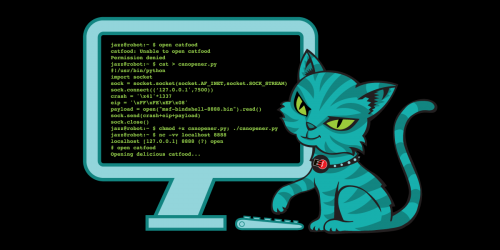
The Ecuadorean Authorities Have No Reason to Detain Free Software Developer Ola Bini
Hours after the ejection of Julian Assange from the London Ecuadorean embassy last week, police officers in Ecuador detained the Swedish citizen and open source developer Ola Bini. They seized him as he prepared to travel from his home in Quito to Japan, claiming that he was attempting...

How Landmark Technology’s Terrible Patent Has Survived
Stupid Patent of the MonthThere’s an increasing insistence from the highest echelons of the patent world that patent abuse just isn’t a thing anymore. The Director of the U.S. Patent Office, Andre Iancu, has called patent trolls—a term for companies that do nothing but collect patents and sue others—mere...
Julian Assange's Prosecution is about Much More Than Attempting to Hack a Password
The recent arrest of Wikileaks editor Julian Assange surprised many by hinging on one charge: a Computer Fraud and Abuse Act (CFAA) charge for a single, unsuccessful attempt to reverse engineer a password. This might not be the only charge Assange ultimately faces. The government can add more...

Media Alert: EFF Argues Against Forced Unlocking of Phone in Indiana Supreme Court
Wabash, IN—At 10 a.m. on Thursday, April 18, the Electronic Frontier Foundation (EFF) will argue to the Indiana Supreme Court that police cannot force a criminal suspect to turn over a passcode or otherwise decrypt her cell phone. The case is Katelin Seo v. State of Indiana.The Fifth Amendment of...

