



Sex Worker Rights Advocates Raise the Alarms about EARN IT
June 2nd is recognized around the world as the chosen date of countless direct actions and protests in support of the sex workers' rights movement. Since its inception nearly 45 years ago, International Whores Day reclaims a sometimes derogatory word to set the tone for a day of unrest and...

Internet Users of All Kinds Should Be Concerned by a New Copyright Office Report

Tech Learning Collective: A Grassroots Technology School Case Study

Trump’s Executive Order Seeks To Have FCC Regulate Platforms. Here’s Why It Won’t Happen
This is one of a series of blog posts about President Trump's May 28 Executive Order. Other posts are here, here, here, and here.The inaptly named Executive Order on Preventing Online Censorship seeks to insert the federal government into private Internet speech in several...

California Cops Can No Longer Pass the Cost of Digital Redaction onto Public Records Requesters
At a dark time when the possibility of police accountability seems especially bleak, there is a new glimmer of light courtesy of the California Supreme Court. Under a new ruling, government agencies cannot pass the cost of redacting police body-camera footage and other digital public records onto the members of...

Don’t Mix Policing with COVID-19 Contact Tracing
Over the weekend, Minnesota’s Public Safety Commissioner analogized COVID-19 contact tracing with police investigation of arrested protesters. This analogy is misleading and dangerous. It also underlines the need for public health officials to practice strict data minimization—including a ban on sharing with police any personal information collected through contact tracing.On...

From Tunis to Minneapolis—and Beyond—Social Media Keeps Us Connected
In January 2011, after hearing about the unrest unfolding in Sidi Bouzid, Tunisian blogger Lina Ben Mhenni (who passed away in January of this year from a chronic illness) began traveling around the country to document the nascent protests and the government’s response to them. “There are no journalists...
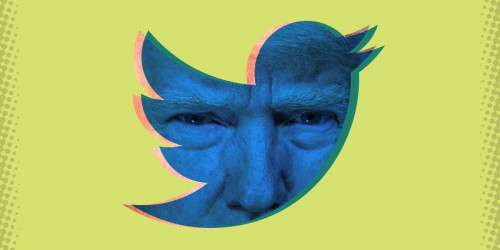
Dangers of Trump’s Executive Order Explained
This is one of a series of blog posts about President Trump's May 28 Executive Order. Links to other posts are below. The inaptly named Executive Order on Preventing Online Censorship (EO) is a mess on many levels: it’s likely unconstitutional on several grounds, built on false premises, and...
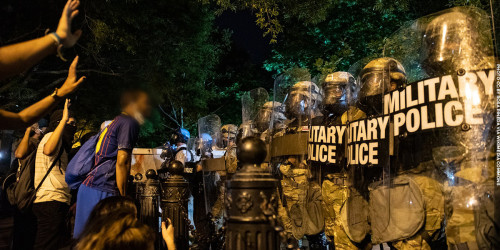
Black Lives Matter, Online and in the Streets: Statement from EFF in the Wake of the Police Killings of Breonna Taylor and George Floyd
Black lives matter on the streets. Black lives matter on the Internet. EFF stands with the communities mourning the victims of police homicide. We stand with the protesters who are plowed down by patrol cars. We stand with the journalists placed in handcuffs or fired upon while reporting these atrocities....

Immunity Passports Are a Threat to Our Privacy and Information Security
With states beginning to ease shelter-in-place restrictions, the conversation on COVID-19 has turned to questions of when and how we can return to work, take kids to school, or plan air travel.Several countries and U.S. states, including the UK, Italy, Chile, Germany, and California, have expressed interest in...

