
Make a Pledge for EFF Through CFC Today!
The pledge period for the Combined Federal Campaign (CFC) is underway and EFF needs your help! Last year, U.S. government employees raised over $19,000 for EFF through the CFC, helping us fight for privacy, free speech, and security on the Internet so that we can help create a better digital...
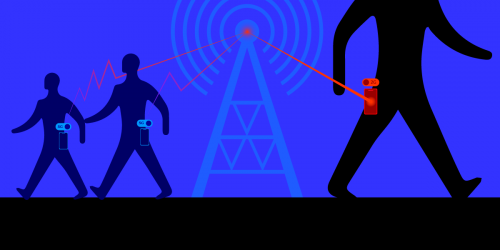
EFF Files Amicus Brief Arguing That Law Enforcement Access to Wi-Fi Derived Location Data Violates the Fourth Amendment
With increasing frequency, law enforcement is using unconstitutional digital dragnet searches to attempt to identify unknown suspects in criminal cases. In Commonwealth v. Dunkins, currently pending before the Pennsylvania Supreme Court, EFF and the ACLU are challenging a new type of dragnet: law enforcement’s use of WiFi data...

The Last Smash and Grab at the Federal Communications Commission
AT&T and Verizon secured arguably one of the biggest regulatory benefits from the Federal Communications Commission (FCC) with the agency ending the last remnants of telecom competition law. In return for this massive gift from the federal government, they will give the public absolutely nothing. A Little Bit of Telecom...

Facebook’s Election-Week War on Accountability is Wrong, Wrong, Wrong
A legacy of the 2016 U.S. election is the controversy about the role played by paid, targeted political ads, particularly ads that contain disinformation or misinformation. Political scientists and psychologists disagree about how these ads work, and what effect they have. It's a pressing political question, especially on the eve...
Defending Fair Use in the Omegaverse
Copyright law is supposed to promote creativity, not stamp out criticism. Too often, copyright owners forget that – especially when they have a convenient takedown tool like the Digital Millennium Copyright Act (DMCA).EFF is happy to remind them – as we did this month on behalf of Internet creator Lindsay...

Jim Tyre
Jim Tyre was one of the biggest and best Internet advocates you may never have heard of. He was a friend to EFF, acting as Special Counsel for many years, and we were saddened to hear of his passing earlier this year.
Content Moderation and the U.S. Election: What to Ask, What to Demand
With the upcoming U.S. elections, major U.S.-based platforms have stepped up their content moderation practices, likely hoping to avoid the blame heaped upon them after the 2016 election, where many held them responsible for siloing users into ideological bubbles—and, in Facebook’s case, the Cambridge Analytica imbroglio. It’s...

Why Getting Paid for Your Data Is a Bad Deal
One bad privacy idea that won’t die is the so-called “data dividend,” which imagines a world where companies have to pay you in order to use your data.Sound too good to be true? It is. Let’s be clear: getting paid for your data—probably no more than a handful of dollars...

EU vs Big Tech: Leaked Enforcement Plans and the Dutch-French Counterproposal
Update (10/29/2020): Our discussion of interoperability measures was altered to acknowledge that, while this is contemplated in the leaked document, the mentions are lacking the specificity of other measures under consideration.At the end of September, multiple press outlets published leaked set of antimonopoly enforcement proposals proposed for the a...

Why Open Access Is Necessary for Makers
This is an Open Access Week guest post by Jordan Bunker, prototype engineer and open access advocate.After the world went into lockdown for COVID-19, Makers were suddenly confined to their workshops. Rather than idly wait it out, many of them decided to put their tools and skills...

