



EFF to Ninth Circuit: Twitter Has First Amendment Right to Ban Users, Including Presidents
Time and time again, we have said–and courts have ruled–that social media platforms have the First Amendment right to ban users. We have argued that banned users cannot successfully sue platforms for acting as government censors without showing that the platforms willfully and fully ceded their editorial discretion...

Media Briefing: Proposed UN Cybercrime Treaty Negotiations Headed in Troubling Direction, Sidestepping Human Rights Protections and Threatening Free Expression, EFF and Allies Warn
San Francisco—On Thursday, April 13, at 10:00 am Pacific Time (1:00 pm Eastern Time, 7 pm CEST), experts with Electronic Frontier Foundation (EFF) and four international allies will brief reporters on the grave threat to human rights posed by ongoing UN Cybercrime Treaty negotiations that could lead to broad surveillance...

New York City Is Dismantling Low-Cost Community Broadband
New York City is in the process of dismantling low-cost community broadband infrastructure in public housing that, if supported, could provide quality access to the internet for hundreds of thousands of families. It’s being replaced by a $90 million, three-year government subsidy, called “Big Apple Connect” that instead gives...

Enough is Enough. Tell Congress to Ban Federal Use of Face Recognition
Cities and counties across the country have banned government use of face surveillance technology, and many more are weighing proposals to do so. From Boston to San Francisco, Jackson, Mississippi to Minneapolis, elected officials and activists know that face surveillance gives police the power to track...

The Broad, Vague RESTRICT Act Is a Dangerous Substitute for Comprehensive Data Privacy Legislation
Podcast Episode: Losing Until We Win: Realistic Revolution in Science Fiction
When a science-fiction villain is defeated, we often see the heroes take their victory lap and then everyone lives happily ever after. But that’s not how real struggles work: In real life, victories are followed by repairs, rebuilding, and reparations, by analysis and introspection, and often, by new battles. ...
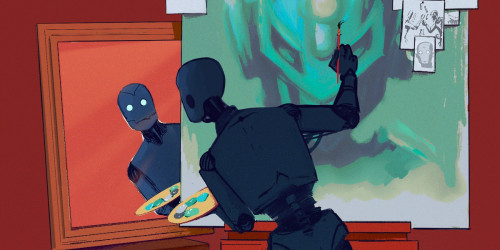
How We Think About Copyright and AI Art
Artists are understandably concerned about the possibility that automatic image generators like Stable Diffusion will undercut the market for their work. We live in a society that does not support people who are automated out of a job, and being a visual artist is an already precarious career.In this context,...
AI Art Generators and the Online Image Market
Now that computer-generated imaging is accessible to anyone with a weird idea and an internet connection, the creation of “AI art” is raising questions—and lawsuits. The key questions seem to be 1) how does it actually work, 2) what work can it replace, and 3) how can the labor of...

Bad Content Moderation Is Bad, And Government Interference Can Make It Even Worse

Stupid Patent of the Month: Traxcell Tech Gets Ordered To Pay Attorneys’ Fees
If someone loses a patent lawsuit very badly—to the point where they face orders to pay attorneys' fees—you wouldn’t think they would be eager to come back to court with a nearly identical lawsuit. But that’s what has happened with this month’s patent. What’s more, the lawyer representing the patent...

