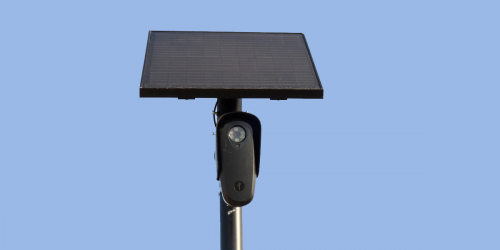

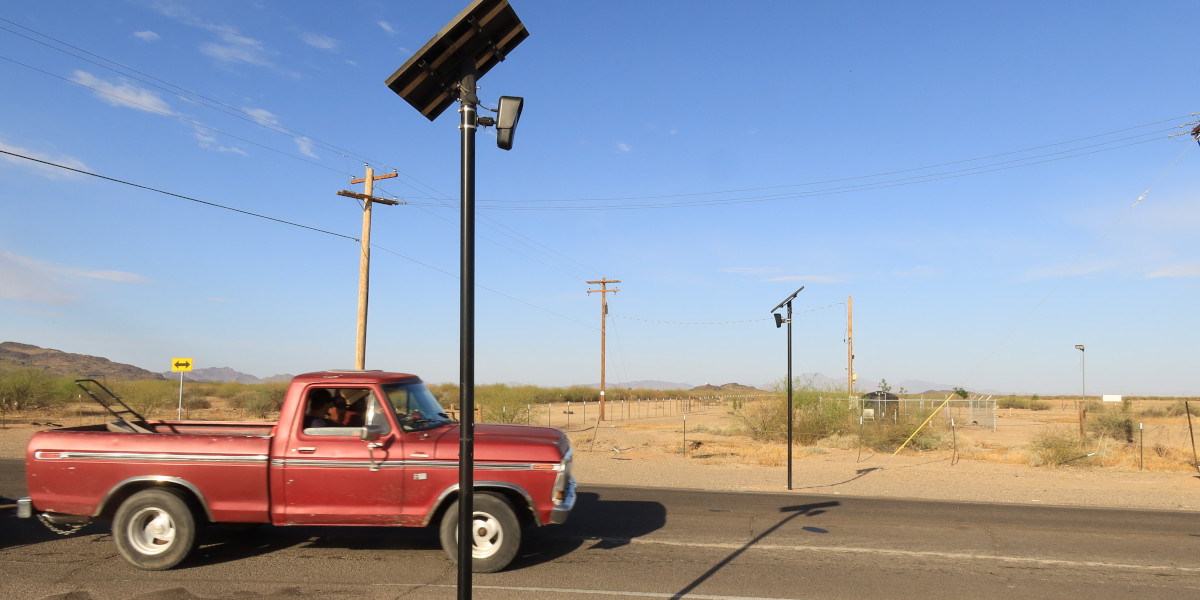
When a car passes an automated license plate reader (ALPR), its plate is captured and instantly compared against a list of vehicles that police are actively looking for or that police have identified for real-time surveillance. These are called “hotlists,” and EFF has learned that one used by agencies across the country targets immigrants on behalf of Immigration and Customs Enforcement (ICE).
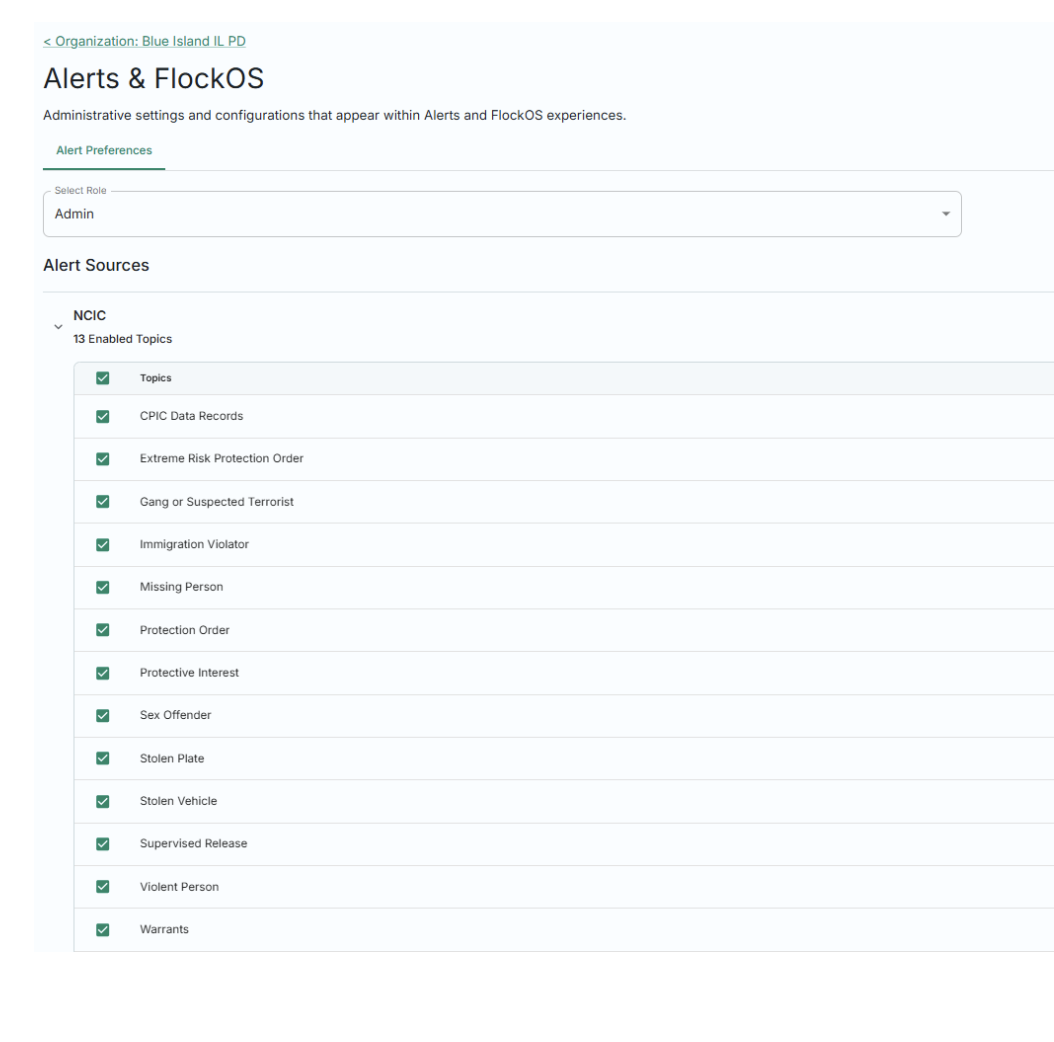
Agencies using Flock Safety ALPR systems commonly allow the plates their cameras collect to be compared against the FBI's National Crime Information Center (NCIC) hotlists. These hotlists are broken into "topics," such as "Gang or Suspected Terrorist," "Stolen Vehicle," and "Missing Person."
Flock Safety told EFF via email: "Local agencies add/remove license plates from the NCIC list. The FBI curates the NCIC list, and pushes it out to local agencies. Once the list leaves the FBI, they do not see any agency alerts. They only see when a local agency adds or removes plates from the list."
But one list is different: The "Immigration Violator" hotlist is populated exclusively by ICE, and it is the only agency authorized to enter or maintain records in this system, according to the NCIC operator manual. It includes license plates associated with administrative warrants, which are issued by ICE agents without judicial review. The manual further describes the data:
The Immigration Violator File contains records on criminal aliens who have been deported for drug trafficking, firearms trafficking, or serious violent crimes and on foreign-born individuals who have violated some section of the Immigration and Nationality Act.
And:
If the ICE has reasonable grounds to believe that the subject may be operating a particular vehicle or a vehicle bearing a particular license plate, the vehicle and/or license data may be included in the record.
Buried in the Flock Safety administrative interface, there is a drop-down menu where agencies select which NCIC topics to subscribe to. If Immigration Violator is selected, the local agency will receive an alert that a vehicle ICE is looking for has been sighted. According to Flock Safety, ICE itself does not get an alert, although the local agency may contact ICE to let them know. Many agencies also participate or collaborate with immigration enforcement (through, for example, 287(g) agreements) and may take steps to stop a vehicle based on one of these alerts.
In many places, using ALPRs for immigration enforcement is against city or state law–or at minimum, against agency policy. But using this hotlist is immigration enforcement.
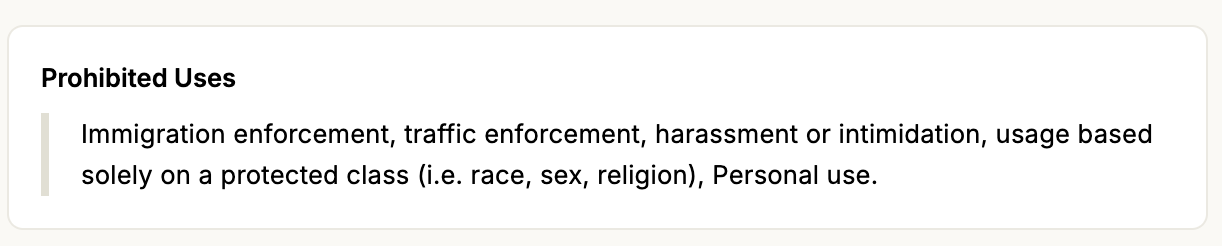
For example, Sparks Police Department's ALPR transparency portal lists immigration enforcement among the "prohibited uses." Yet, records show Sparks utilizes ICE's Immigration Violator hotlist.
Many agencies publicly acknowledge using NCIC hotlists, but don't publish which ones. So, EFF filed public records requests with agencies around the country to figure how to identify at least which agencies may be using the Immigration Violator hotlist. Here are links to the documents from the 13 agencies that have responded so far.
|
Agencies with the Immigration Violators Hotlist Enabled Agencies Using NCIC Hotslists, But Immigration Violators Is Disabled
|
Knowing whether your agency has this box checked isn't just useful information—it's the kind of evidence that can change how officials vote when a contract comes up for renewal. So, how can you find out if your local agency is using the Immigration Violator list? It takes some digging, and you may not be successful. But here's what has worked for us in some instances.
STEP 1: Conduct background research.
The first questions you want to try to answer are:
- Does your local agency use Flock Safety ALPRs, and if so,
- Are they using NCIC hotlists?
To answer the first question, here are two sites to try:
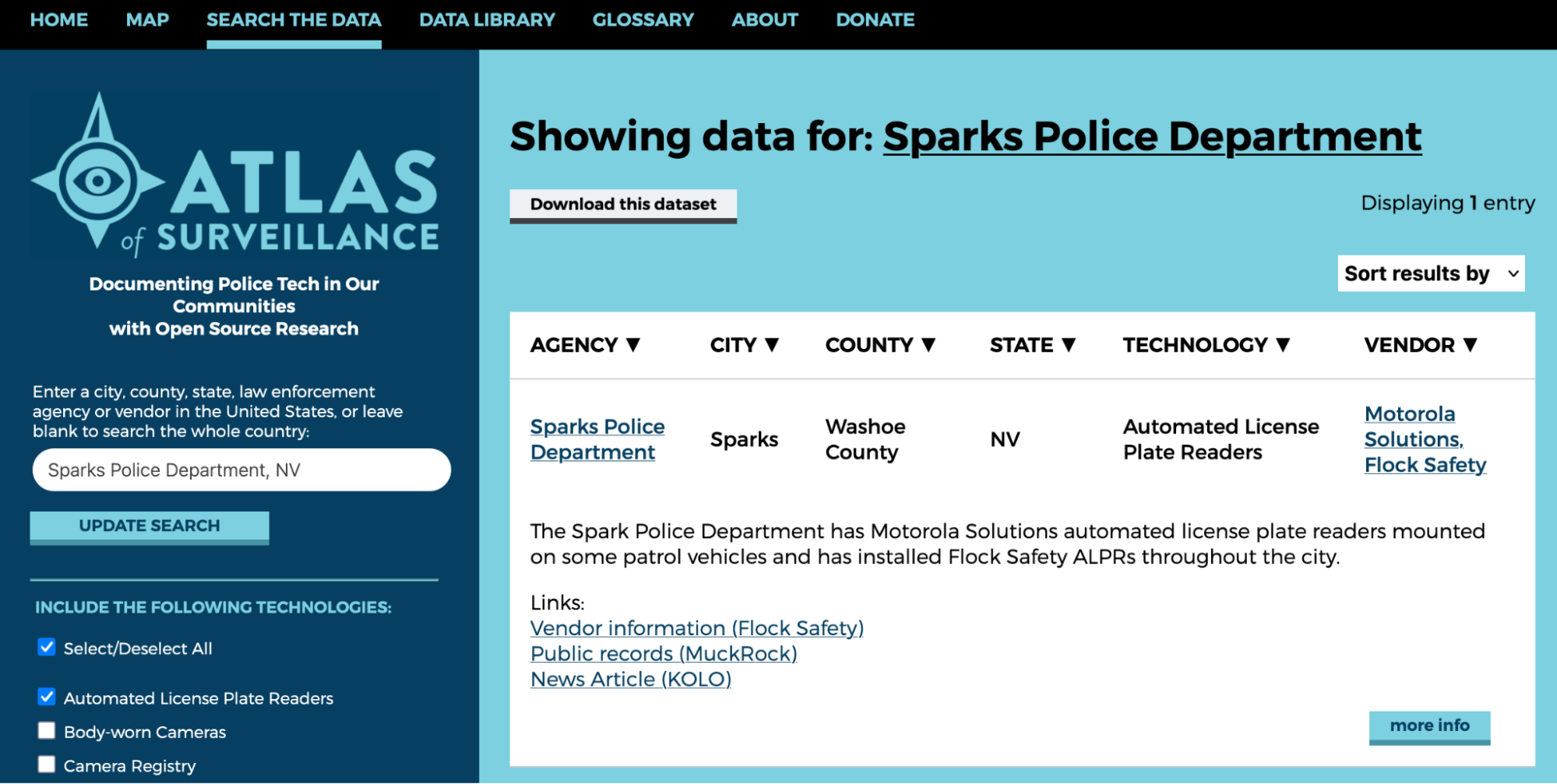
- AtlasofSurveillance.org - This is an EFF project to catalog the technologies law enforcement agencies use. You can search for your agency to see if they use ALPR.
- EyesonFlock.com - This site includes an index of every agency that maintains a Flock Safety "Transparency Portal." These portals often disclose what hotlists an agency uses. You'll want to look for your agency, then click the outbound link to their transparency portal, if they have one.
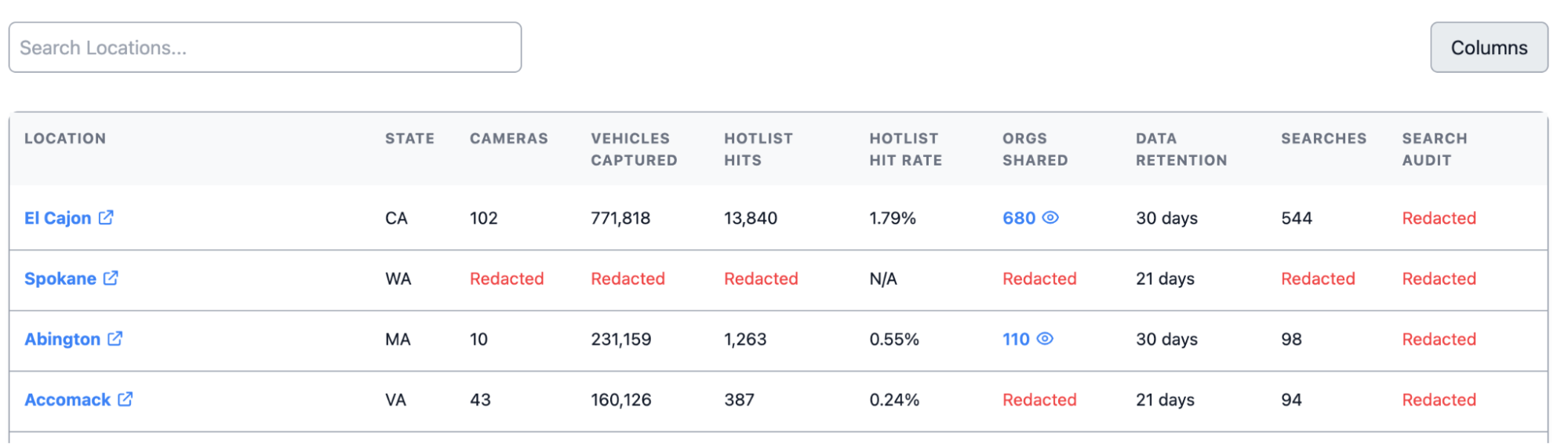
Once you're on the transparency portal, you'll want to look for two things.
- Is "immigration enforcement" a prohibited use? If it is, you might find that the agency is violating its own policies.
- Does the agency list "NCIC" as one of its hot lists?
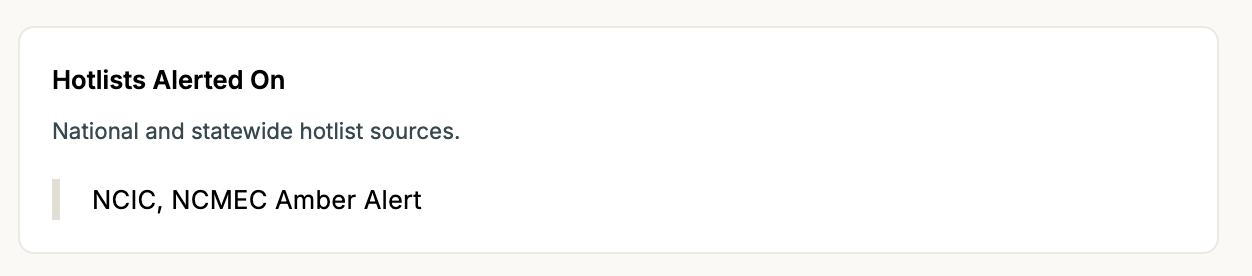
Not all agencies disclose this information, so even if you don't find anything, you can move on to these next steps.
STEP 2: File a public records request.
Every state has a law that allows the public to request information from the government. This can often be done by emailing the police department or sheriff’s office, using the agency's online public records portal. You can usually find these emails or portals quickly online by searching for the agency's website and contact information. You can also subscribe to a service like MuckRock, which is how we filed these requests.
We have developed language to request the hotlist topics. It doesn't always work, due to differences in how agencies interpret public records laws, but it is still worth a shot.
|
Note: This is template language. A Google doc version is available here (Google's Privacy Policy applies). To Whom It May Concern: Pursuant to the [INSERT LOCAL PUBLIC RECORDS LAW - FIND THAT HERE], I hereby request the following information: - The NCIC topics that the agency has selected. Within the Flock Safety ALPR administrative controls for hotlists, there is an NCIC drop-down menu to allow an agency to choose which NCIC "Topics" it will alert on. For example, "Gang or Suspected Terrorist" or "Missing Person." You may provide this as a print out or a screen grab, or simply copy-paste the selected items. If you'd prefer to do a full CSV export, that is also acceptable but may take more effort. I leave the format at your discretion, but I would prefer to use as little of your agency's resources as possible for this request. You can see an example here: https://www.documentcloud.org/documents/28277589-20260414084201725/ The requested documents will be made available to the general public, and this request is not being made for commercial purposes. In the event that there are fees, I would be grateful if you would inform me of the total charges in advance of fulfilling my request. I would prefer the request filled electronically, by e-mail attachment if available or CD-ROM if not. Thank you in advance for your anticipated cooperation in this matter. Please do not hesitate to contact me with any questions at [CONTACT DETAILS]. Sincerely, [Your Name] |
STEP 3: Wait for a response.
Depending on the agency and the state law, it may take anywhere from days to weeks to receive a response.
If the agency provides the records, they might look something like this:
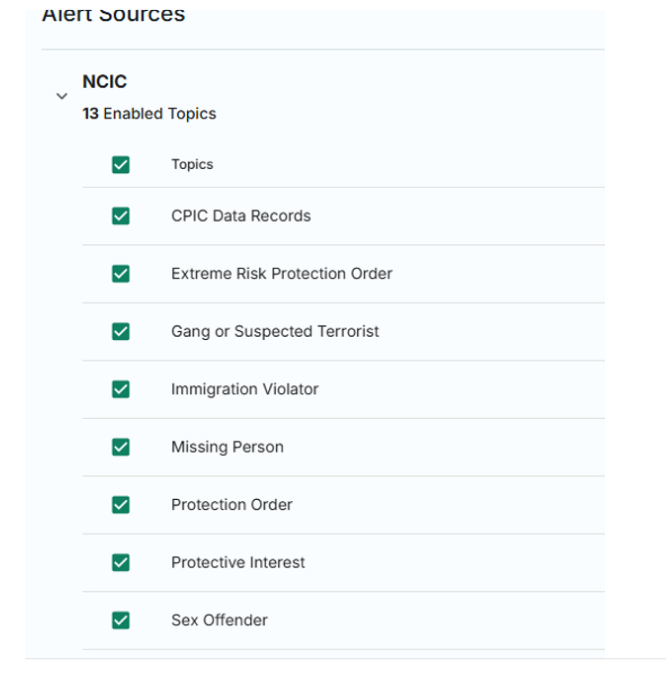
If "Immigration Violator" is checked, then yes–police are scanning vehicles for immigration enforcement.
You can then put this information to work, sharing it with local reporters or bringing it directly to city officials who have the authority to modify, restrict, or cancel your agency's Flock contract. This is especially important if the agency has the box checked but also claims ALPR data is not used for immigration enforcement. Government officials like easy fixes, and "uncheck the box" is about as easy as it gets. But remember: If that's where it stops, the infrastructure for immigration surveillance stays fully intact, and the system is one policy, personnel change, or error away from being switched back on.
In many cases, you will not receive records. The agency may claim it's protected under legal exemptions or that it is not actually a public record under state law. For example, we received rejections from the Abington Police Department in Massachusetts and the Akron Police Department in Ohio.
If that happens, push back politely. You can explain that many other agencies across the country have produced this information and that it would greatly help inform the public. You can try contacting the police department's public information officer. Another option is alerting local press that the agency is refusing to disclose basic information about a public surveillance system, shutting residents out of decisions about how that system is being used. If you have the resources and time, you may also consider litigating a denial or lack of response.
You can also email your city council or board of supervisors member. Explain why this matters: The law enforcement agency may be facilitating immigration enforcement in secret, potentially in violation of its own policies. Ask them to use their oversight authority to demand answers from the agency, including pressing the vendor directly. Elected officials hold real leverage here: In most cities, either the council or the city manager controls the contract, and both are accountable to the public. If your agency's contract is up for renewal—or if a new pilot program is on the horizon—this is exactly the kind of information that should be part of that public debate before officials sign anything.
While we have filed dozens of these requests, we need locals to help gather even more. Drop us a line with the records you receive (or don't) at aos@eff.org.