



Federal Court Rules Against Public.Resource.Org, Says Public Safety Laws Can Be Locked Behind Paywalls
Everyone should be able to read the law, discuss it, and share it with others, without having to pay a toll or sign a contract. Seems obvious, right? Unfortunately, a federal district court has said otherwise, ruling that private organizations can use copyright to control access to huge portions of...

Fear Materialized: Border Agents Demand Social Media Data from Americans
The Council on American-Islamic Relations (CAIR) recently filed complaints against U.S Customs and Border Protection (CBP) for, in part, demanding social media information from Muslim American citizens returning home from traveling abroad. According to CAIR, CBP accessed public posts by demanding social media handles, and potentially accessed private...

EFF Asks Massachusetts High Court to Require Clear Limits Before Allowing Searches of Digital Devices and Information
Along with several other advocacy groups, EFF signed on to an amicus brief this week in the case of the Commonwealth of Massachusetts v. James Keown, in support of requiring courts to set pre-search limits on the method of digital searches by law enforcement pursuant to judicially authorized warrants.
...

EFF to Supreme Court: Strike Social Media Ban for Sex Offenders
Law Enforcement Uses Border Search Exception as Fourth Amendment Loophole
In recent months, U.S. Customs and Border Protection agents have sought access to private data on the cell phones of two journalists. Such incidents are offensive because they threaten the independence of the press and pose specific risks to confidential sources. This government overreach also highlights how weak legal protections...

In Sirius XM Lawsuits, Settlement Might Cement Digital Music Monopolies
Sirius XM Satellite Radio's recent settlement with ex-members of the 60s rock group The Turtles over royalty payments for old recordings has the potential to solidify the dominant position of big music services like Sirius XM, at the expense of new music services, independent and Web-based radio stations, and the...
AT&T Requires Police to Hide Hemisphere Phone Spying
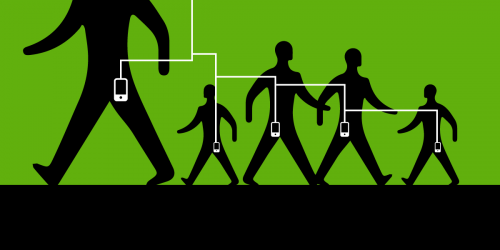
AT&T built a powerful phone surveillance tool for police, called Hemisphere. Every day, AT&T adds four billion call records to Hemisphere, making it one of the largest known reservoirs of communications metadata that the government uses to spy on us. Law enforcement officials kept Hemisphere “under the radar”...
Record Labels Make New Grab For Website-Blocking Power in YouTube-MP3 Suit
Word Games: What the NSA Means by “Targeted” Surveillance Under Section 702
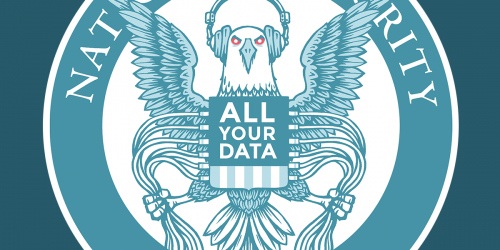
We all know that the NSA uses word games to hide and downplay its activities. Words like "collect," "conversations," "communications," and even "surveillance" have suffered tortured definitions that create confusion rather than clarity.
There’s another one to watch: "targeted" v. "mass" surveillance.
Since 2008, the NSA has...
CloudFlare Protects Internet Users By Insisting On Lawful Orders Before Blocking Customers
This month, the online service provider CloudFlare stood up for its website-owner customers, and for all users of those websites, by telling a court that CloudFlare shouldn’t be forced to block sites without proper legal procedure. Copyright law limits the kinds of orders that a court can impose on...

