


EFF to Supreme Court: Cell Phone Location Data Is Off-Limits to Police Without a Warrant
Washington, D.C.—Cell phone location data, which can provide an incredibly detailed picture of people’s private lives, implicates our Fourth Amendment rights against unreasonable searches, requiring police to obtain a warrant to gain access, the Electronic Frontier Foundation (EFF) told the Supreme Court today.Weighing in on separate...
Congress Needs More Information Before the Government’s New Hacking Powers Kick in
The federal government is set to get massively expanded hacking powers later this year. Thankfully, members of Congress are starting to ask questions.
In a letter this week to U.S. Attorney General Loretta Lynch, 23 members of Congress—including Sens. Ron Wyden and Patrick Leahy and Rep. John Conyers—pressed...
Patent Trolls Undermine Open Access
This Open Access Week, the global open access community has a lot to celebrate. Hundreds of universities around the world have adopted open access policies asking faculty to publish their research in open access journals or archive them in open repositories. A few years ago,...
AT&T requires police to hide Hemisphere phone spying

Over Two Years Later, Diego Gomez’s Ongoing Case Shows the Need for Global Reforms
When Diego Gomez, a biology master’s student at the University of Quindio in Colombia, shared a colleague’s thesis with other scientists over the Internet, he was doing what any other science grad student would do: sharing research he found useful so others could benefit from it...
EFF to Copyright Office: It’s Time for Real Reform of DMCA 1201
San Francisco - The Electronic Frontier Foundation (EFF) urged the U.S. Copyright Office today to protect the public’s right to research and repair everything from phones to refrigerators to tractors, to support the right of people with print disabilities to convert media into an accessible format, and to restore users’...
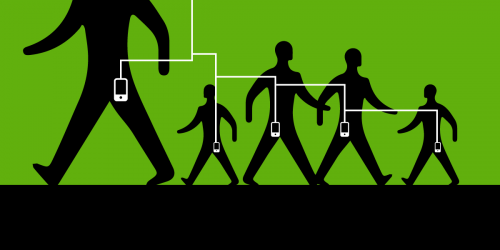
AT&T Requires Police to Hide Hemisphere Phone Spying
AT&T built a powerful phone surveillance tool for police, called Hemisphere. Every day, AT&T adds four billion call records to Hemisphere, making it one of the largest known reservoirs of communications metadata that the government uses to spy on us. Law enforcement officials kept Hemisphere “under the radar”...
Obama’s Silence on Crypto Could Set the Stage For Bad Policies to Come
One year ago today, the 100,000th person added their name to a public petition calling on President Obama to categorically reject any attempt to add backdoors to our devices or otherwise undermine encryption.
Since then, crickets.
Obama has promised to reply to petitions on his We...
What Do Trade Agreements Do for Open Access—And What Don't They Do?
“If you can't beat 'em, join 'em” seems to have become the tech industry's attitude towards the current crop of trade agreements, such as the Trade in Services Agreement (TISA) and the Trans-Pacific Partnership (TPP). Their reasoning is just as these agreements can be...

Empty Promises on Privacy for Foreigners Abroad in PPD-28
The Obama administration promised privacy protections for foreigners abroad, but PPD-28 fails to deliver those protections
In early 2014, still reeling from global outrage over recently uncovered surveillance programs, President Barack Obama pledged to rein in the U.S. government’s spying and boost privacy protections for people in the U.S....

