IPANDETEC Releases First Report Rating Nicaraguan Telecom Providers’ Privacy Policies
IPANDETEC, a digital rights organization in Central America, today released its first "Who Defends Your Data" (¿Quién Defiende Tus Datos?) report for Nicaragua, assessing how well the country’s mobile phone and Internet service providers (ISPs) are protecting users' personal data and communications. The report follows the series of...

California Has a New COVID Exposure Notification App
Today California joined dozens of other states and countries in launching its COVID-19 exposure notification app, CA Notify, built on Google and Apple’s Exposure Notification API. Google and Apple’s API is already used in 20 other U.S. states, as well as countries including Germany, the...

Raid on COVID Whistleblower in Florida Shows the Need to Reform Overbroad Computer Crime Laws and the Risks of Over-Reliance on IP Addresses
The armed Florida Department of Law Enforcement raid on Monday on the Tallahassee Florida home of data scientist and COVID whistleblower Rebekah Jones was shocking on many levels. This incident smacks of retaliation against someone claiming to provide the public with truthful information about the most pressing issue facing both...

Federal and State Antitrust Suits Challenging Facebook’s Acquisitions are a Welcome Sight
Antitrust enforcers charged with protecting us from monopolists have awoke from decades-long hibernation to finally address something users have known, and been paying for with their private data, for years: Facebook’s acquisitions of rival platforms have harmed social media users by reducing competition, leaving them with fewer choices and creating...
Unfiltered: How YouTube’s ‘Content ID’ Helps Shape What We See Online
San Francisco –YouTube is supposed to be a vibrant space for new creativity, but in practice creators are sharply hampered by the site’s “Content ID” system. A new whitepaper from the Electronic Frontier Foundation (EFF) takes a deep dive into the confusing process of getting a video past YouTube’s...
Filters Do More Than Just Block Content, They Dictate It
Today, EFF is publishing a new white paper, “How YouTube’s Content ID Discourages Fair Use and Dictates What We See Online.” The paper analyzes the effects of YouTube’s automated copyright filter, Content ID, on the creative economy that has sprung up around the platform. Major platforms like YouTube have...

Dark Caracal: You Missed a Spot
Security researchers at EFF have tracked APTs (Advanced Persistent Threats) targeting civil society for many years now. And while in many cases, the “advanced” appellation is debatable, “persistent” is not. Since 2015, EFF has tracked the cyber-mercenaries known as Dark Caracal, a threat actor who has carried out digital...

It’s Not Section 230 President Trump Hates, It’s the First Amendment
President Trump’s recent threat to “unequivocally VETO” the National Defense Authorization Act (NDAA) if it doesn’t include a repeal of Section 230 may represent the final attack on online free speech of his presidency, but it’s certainly not the first. The NDAA is one of the “must-pass” bills...
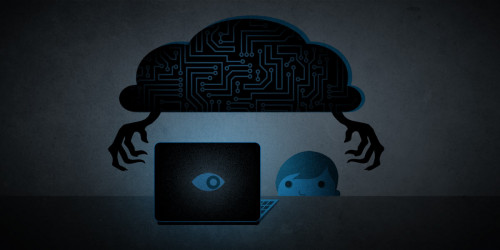
Senators Express Privacy Concerns Over Proctoring Apps
Last week, five Senators joined the chorus of privacy advocates, students, and teachers expressing concern over surveillance proctoring apps being used to watch students remotely during exams. “You must be able to demonstrate that you are respecting students’ privacy,” the Senators write–and so far, that...