
Tools to Protect Your Privacy Online | EFFector 36.1
New year, but EFF is still here to keep you up to date with the latest digital rights happenings! Be sure to check out our latest newsletter, EFFector 36.1, which covers topics ranging from: our thoughts on AI watermarking, changes in the tech landscape we'd like to see in 2024,...
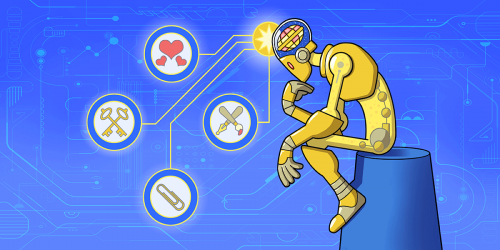
The No AI Fraud Act Creates Far More Problems Than It Solves
Creators have reason to be wary of the generative AI future. For one thing, while GenAI can be a valuable tool for creativity, it may also be used to deceive the public and disrupt existing markets for creative labor. Performers, in particular, worry that AI-generated images and music...

Companies Make it Too Easy for Thieves to Impersonate Police and Steal Our Data
For years, people have been impersonating police online in order to get companies to hand over incredibly sensitive personal information. Reporting by 404 Media recently revealed that Verizon handed over the address and phone logs of an individual to a stalker pretending to be a police officer who had...
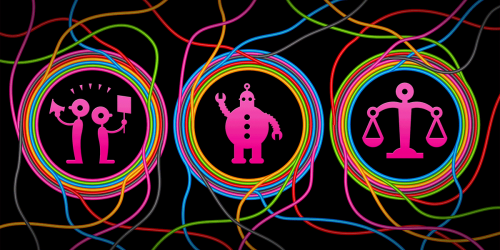
EFF’s 2024 In/Out List
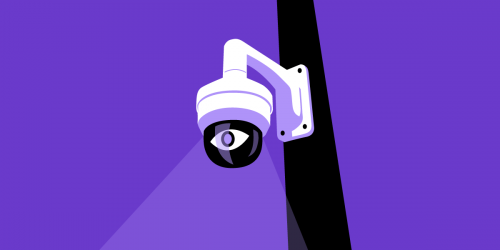
EFF Unveils Its New Street Level Surveillance Hub

Privacy Badger Puts You in Control of Widgets

UAE Confirms Trial Against 84 Detainees; Ahmed Mansoor Suspected Among Them
The UAE confirmed this week that it has placed 84 detainees on trial, on charges of “establishing another secret organization for the purpose of committing acts of violence and terrorism on state territory.” Suspected to be among those facing trial is award-winning human rights defender Ahmed Mansoor,...

Craig Newmark Philanthropies – Celebrating 30 Years of Support for Digital Rights
EFF has been awarded a new $200,000 grant from Craig Newmark Philanthropies to strengthen our cybersecurity work in 2024. We are especially grateful this year, as it marks 30 years of donations from Craig Newmark, who joined as an EFF member just three years after our...
EFF Urges Pennsylvania Supreme Court to Find Keyword Search Warrant Unconstitutional
AI Watermarking Won't Curb Disinformation
Generative AI allows people to produce piles upon piles of images and words very quickly. It would be nice if there were some way to reliably distinguish AI-generated content from human-generated content. It would help people avoid endlessly arguing with bots online, or believing what a fake image purports to...

