EFFecting Change: How to Disenshittify the Internet on May 14

New technologies are radically advancing our freedoms, but they are also enabling unparalleled invasions of privacy. National and international laws have yet to catch up with the evolving need for privacy that comes with new digital technologies. Respect for individuals' autonomy, anonymous speech, and the right to free association must be balanced against legitimate concerns like law enforcement. EFF fights in the courts and Congress to maintain your privacy rights in the digital world, and works with partners around the globe to support the development of privacy-protecting technologies.

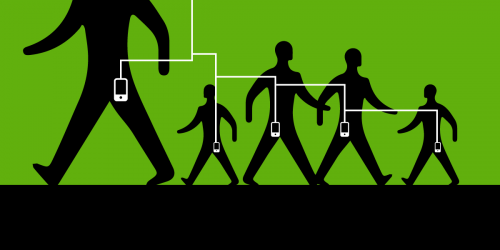
Your cell phone helps you keep in touch with friends and family, but it also makes it easier for the government to track your location.

Your Web searches about sensitive medical information might seem a secret between you and your search engine, but companies like Google are creating a treasure trove of personal information by logging your online activities, and making it potentially available to any party wielding enough cash or a subpoena.

And the next time you try to board a plane, watch out—you might be turned away after being mistakenly placed on a government watch list, or be forced to open your email in the security line.

Several governments have also chosen to use malware to engage in extra-legal spying or system sabotage for dissidents or non-citizens, all in the name of “national security.”

As privacy needs evolve, so too should our regulatory regimes. National governments must put legal checks in place to prevent abuse of state powers, and international bodies need to consider how a changing technological environment shapes security agencies’ best practices. Above all, we need to respect the rights of autonomy, anonymity, association, and expression that privacy makes possible, while also taking into account legitimate law enforcement concerns.

Read our work on privacy issues below, and join EFF to help support our efforts.

For information about the law and technology of government surveillance in the United States check out EFF's Surveillance Self-Defense project.


Privacy Highlights

NSA Spying

The US government, with assistance from major telecommunications carriers including AT&T, has engaged in massive, illegal dragnet surveillance of the domestic communications and communications records of millions of ordinary Americans since at least 2001. Since this was first reported on by the press and discovered by the public in late...

Privacy Updates

Privacy issue banner, a colorful graphical representation of a padlock

Warshak v. USA

Update On 6/18/07: Sixth Circuit issues opinion upholding district court's injunction against secret warrantless seizures of email
In Warshak v. USA EFF is fighting to make sure that your email is as safe against government intrusion as your phone calls postal mail or the private papers you keep in...

Free Speech banner, an colorful graphic representation of a megaphone

Merkey v. Yahoo SCOX Groklaw et. al.

EFF defended anonymous online speakers from frivolous subpoenas. After suing Internet users who had allegedly made critical comments about him on message boards and blogs, a Utah man asked the court to let him subpoena the names of the anonymous "John Doe" critics. The Utah District Court agreed with EFF...

Mobilisa v. Doe

Software development company seeks identity of John Doe who obtained email initially sent by company's CEO to his mistress and forwarded the email to company employees.

Privacy issue banner, a colorful graphical representation of a padlock

NASA v. Nelson

EFF urged the United States Supreme Court to uphold an appeals court decision that blocks invasive and unnecessary background checks at the National Aeronautics and Space Administration (NASA) arguing that the over-collection of personal data puts employees' privacy at risk.
The case was originally filed by federal contract employees...

NSA Multi-District Litigation

This page collects pleadings and other information from the multi-district litigation that apply to all of the cases or that are not otherwise included in the specific case pages for the multi-district litigation arising from the warrantless wiretapping.
This includes decisions that affect all of the cases together, case...

Pages

Back to top

JavaScript license information