



Texas Supreme Court Rejects Second-Class Status for Online Speech, Finds Internet Speech Injunctions Violate the First Amendment
The Texas Supreme Court today ruled that orders preventing people who have been found liable for defamation from publishing further statements about the plaintiff are “prior restraints,” a remedy that the First Amendment rarely permits. Adopting a position advocated by EFF in an amicus brief, the court also...
Supreme Court Tackles Online Threats
When Sarah Palin placed crosshairs over political districts her political action committee was targeting in the 2010 midterm election, there was an outcry but she wasn’t arrested. Although some claimed the imagery was violent, no one believed Palin was actually intending to shoot anyone. But when Anthony Elonis posted...

EFF to Ethiopia: Illegal Wiretapping Is Illegal, Even for Governments
Earlier this week, EFF told the U.S. District Court for the District of Columbia that Ethiopia must be held accountable for its illegal wiretapping of an American citizen. Foreign governments simply do not have a get-out-of-court-free card when they commit serious felonies in America against Americans. This case is...
UK's Lords and EU Take Aim at Online Anonymity
Last week, the UK's House of Lords Select Committee on Communications released a report on "social media and criminal offences." Britain has faced a number of high-profile cases of online harassment this year, which has prompted demands for new laws, and better enforcement of existing laws.
"Our...
A National Consensus: Cell Phone Location Records Are Private
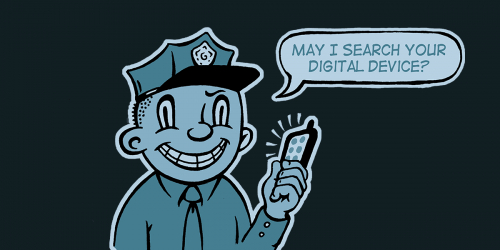
The Fourth Amendment protects us from “unreasonable” government searches of our persons, houses, papers and effects. How courts should determine what is and isn’t reasonable in our increasingly digital world is the subject of a new amicus brief we filed today in San Francisco federal court.
...
Deeper Dive into EFF's Motion on Backbone Surveillance
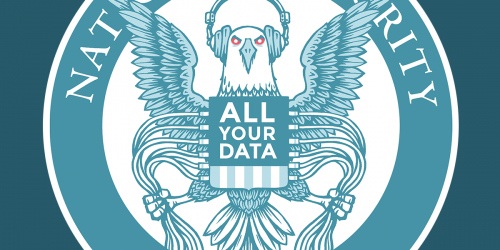
Yesterday we filed a motion for partial summary judgment in our long running Jewel v. NSA case, focusing on the government's admitted seizure and search of communications from the Internet backbone, also called "upstream." We've asked the judge to rule that there are two ways in which...

What on Earth Is Going On at the FCC? A Guide to the Proposed Net Neutrality Rules
The main battlefield for the net neutrality fight right now is at the Federal Communications Commission (FCC), in a “rulemaking” underway this summer, which asks for public comment about a new set of proposed rules that the FCC claims will protect the open Internet....
Smith v. Maryland Turns 35, But Its Health Is Declining
The U.S. Supreme Court’s 1979 decision of Smith v. Maryland turned 35 years old last week. Since it was decided, Smith has stood for the idea that people have no expectation of privacy in information they expose to others. Labeled the third party “doctrine” (even by EFF ...

Will Telcos Follow ISPs and Extend Warrant Protection for All?
When courts issue new decisions about how law enforcement can obtain records and data from companies, it's not just the police who have to follow the new rules. The companies that turn over the data have a big role to play in ensuring that the law is followed. A...

UK Copyright Law: Back to the Future, or Stuck in the Past?
Copyright law began in England in 1710. At that time, copyright only limited you from copying—it didn't limit you from making a derivative work, such as a translation or a fan homage (such as the many spin-offs of Gulliver's Travels that flourished after its 1726 publication). It didn't attempt...

