


Senate Anti-Leaks Bill Threatens the Rights of the Press and the Public
The US Senate is currently debating a dangerous bill that, if passed, would have broad consequences for press freedom and the public’s right to know. EFF asks senators to stand up for government transparency and the First Amendment and vote it down.
The bill’s provisions, buried in the...

FBI’s Facial Recognition is Coming to a State Near You
Recently-released documents show that the FBI has been working since late 2011 with four states—Michigan, Hawaii, Maryland, and possibly Oregon—to ramp up the Next Generation Identification (NGI) Facial Recognition Program. When the program is fully deployed in 2014, the FBI expects its facial recognition database will...

The Declaration of Internet Freedom: Not Just for Americans
In early July, EFF joined an international coalition of civil society groups in supporting the new Declaration of Internet Freedom, a set of basic principles for upholding rights in the digital realm. The five core principles of the Declaration address the basic rights to free expression, openness, access, innovation...
Why The NSA Can’t Be Trusted to Run U.S. Cybersecurity Programs
This week, the Senate will be voting on a slew of amendments to the newest version of the Senate’s cybersecurity bill. Senators John McCain and Kay Bailey Hutchison have proposed several amendments that would hand the reins of our nation’s cybersecurity systems to the National Security Agency (NSA). All...
Press Freedom Under Attack In Sri Lanka: Website Office Raids and Online Content Regulation
Press freedom in Sri Lanka has come under further attack over the course of the past month. On June 29, the Criminal Investigation Department’s Colombo Crime Division raided the office shared by news websites Sri Lanka Mirror and Sri Lanka X News. The latter website is widely known as...

UN Human Rights Council Resolution on Internet and Human Rights a Step in the Right Direction
Earlier this month, the 47 member states of the United Nations Human Rights Council passed a landmark Resolution (A/HRC/20/L.13) to include the “promotion, protection, and enjoyment of human rights on the Internet.” The Resolution, which was presented by Sweden, was backed by more than 70 countries in all, both...
Franken Amendment Would Remove Worst Part of Cybersecurity Bill
Senator Franken's New Amendment Would Strike Section 701 of the Cybersecurity Act of 2012, Removing Provisions that Permit Monitoring of Private Communications and Countermeasures
As we noted last week, a new cybersecurity bill (S 3414) (PDF) was introduced with privacy protective measures championed by Senators Franken, Durbin,...

YouTube's Face-Blurring Technology Enables Anonymity
YouTube recently unveiled a new face blurring tool that lets users choose to conceal every face in a video they have uploaded. This is a commendable step towards fostering anonymous speech on the Internet. Activists around the world rely on being able to speak freely through online media, including...
Passing of the Internet Blacklist Bill Spells Bad News for Freedom of Expression in Russia
The Russian Duma overwhelmingly approved the controversial Internet regulation Bill № 89417-6. 441. A total of 441 out of 450 deputies representing all four party factions within the Duma, voted to support the bill. The regulations set forth within the bill, including the creation of a national blacklist...
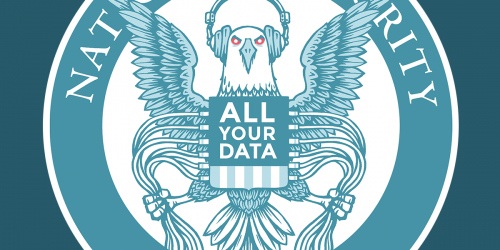
Congress Must Act After US Government Admits To Unconstitutional Warrantless Wiretapping For the First Time
As Congress and the President rush to re-authorize the dangerous FISA Amendments Act (FAA)—the law shamefully passed after pressure to legalize certain portions of the NSA’s warrantless wiretapping program—EFF has been sounding the alarm that Americans’ communications are still being unconstitutionally collected by the government without a warrant....

