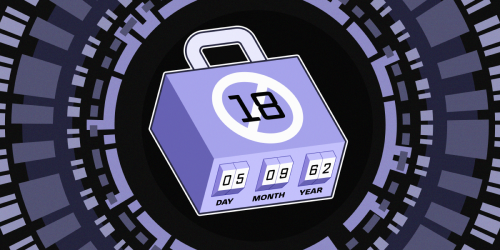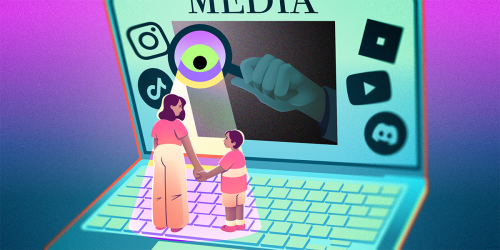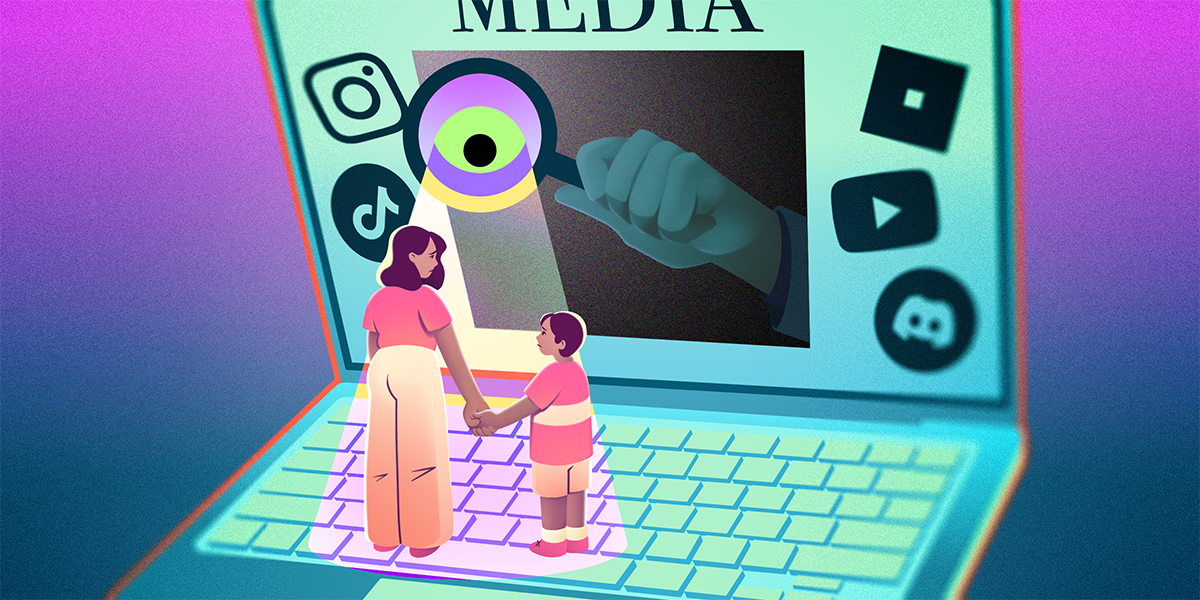
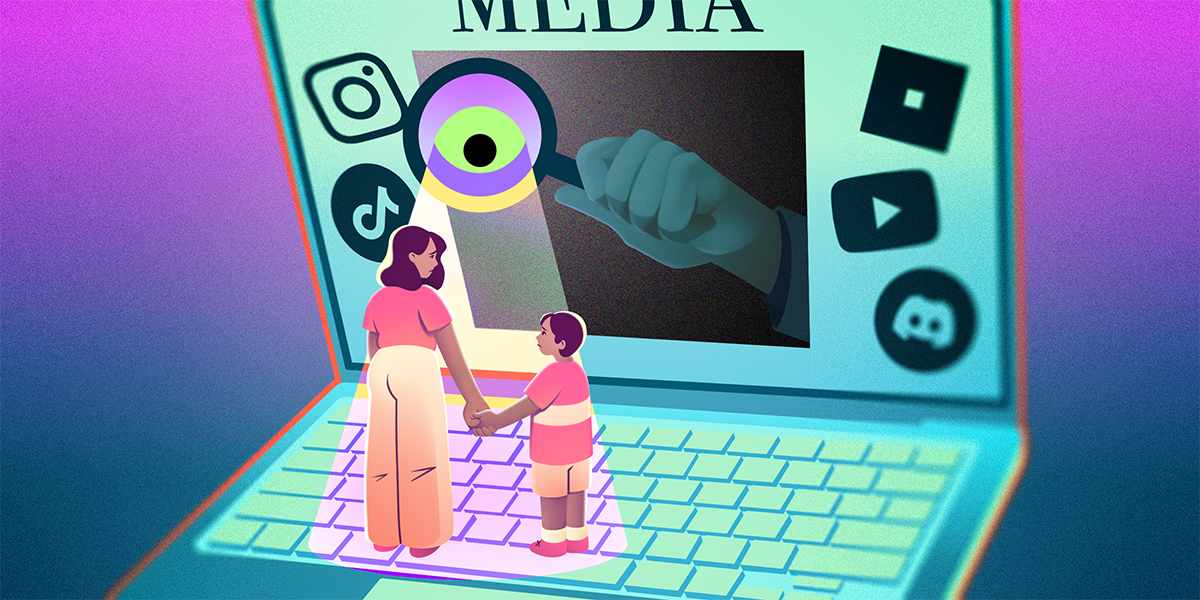
California lawmakers are fast-tracking A.B. 1709—a sweeping bill that would ban anyone under 16 from using social media and force every user, regardless of age, to submit sensitive personal information before accessing social platforms.
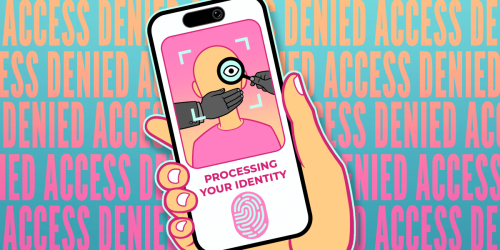
That means that under A.B. 1709, social media companies will have to enact age gates to prohibit minors from accessing their services. The services may decide that complying with this bill means that Californians have to submit highly sensitive government-issued ID or biometric information to prove they are adults. In the name of “safety,” this bill would destroy online anonymity, expose sensitive personal data to breach and abuse, and replace parental decision-making with state-mandated censorship.
A.B. 1709 has already passed out of the Assembly Privacy and Judiciary Committees with nearly unanimous support. Its next stop is the Assembly Appropriations Committee, followed by a floor vote—likely within the next week.
Tell Your Representative to OPPOSE A.B. 1709
California Is About to Set a Dangerous Precedent for Online Censorship
By banning access to social media platforms for young people under 16, California is emulating Australia, where early results show exactly what EFF and other critics predicted: overblocking by platforms, leaving youth without support and even adults barred from access; major spikes in VPN use and other workarounds ranging from clever to desperate; and smaller platforms shutting down rather than attempting costly compliance with these sweeping bills.
California should not be racing to replicate those failures. After all, when California leads—especially on tech—other states follow. There is no reason for California to lead the nation into an unconstitutional social media ban that destroys privacy and harms youth.
Tell Your Representative to OPPOSE A.B. 1709
What’s Wrong With A.B. 1709?
Just about everything.
A.B. 1709 weaponizes legitimate parental concerns by using them to hand over even more censorship and surveillance power to the government. Beneath its shiny “protect the children” rhetoric, this bill is misguided, unconstitutional, and deeply harmful to users of all ages.
A.B. 1709 Recklessly Violates Free Speech Rights
The First Amendment protects the right to speak and access information, regardless of age. But by imposing a blanket ban on social media access, A.B. 1709 would cut off lawful speech for millions of California teenagers, while also forcing all users (adults and kids alike) to verify their ages before speaking or accessing information on social media. This will immensely and unconstitutionally chill Californians’ exercise of their First Amendment.
These mandates ignore longstanding Supreme Court precedent that protects young people’s speech and consistently find these bans unconstitutional. Banning young people entirely from social media is an extreme measure that doesn’t match the actual risks of online engagement. California simply does not have a valid interest in overriding parents’ and young people’s rights to decide for themselves how to use social media.
After all, age-verification technology is far from perfect. A.B. 1709’s reliance on imperfect age-verification technology will disproportionately silence marginalized communities—those whose IDs don’t match their presentation, those with disabilities, trans and gender non-conforming folks, and people of color—who are most likely to be wrongfully denied access by discriminatory systems.
Finally, many people will simply refuse to give up their anonymity in order to access social media. Our right to anonymity has been a cornerstone of free expression since the founding of this country, and a pillar of online safety since the dawn of the internet. This is for good reason: it allows creativity, innovation, and political thought to flourish, and is essential for those who risk retaliation for their speech or associations. A.B. 1709 threatens to destroy it.
AB 1709 Needlessly Jeopardizes Everyone’s Privacy
A.B. 1709’s age-gating mandate also creates massive security risks by incentivizing platforms to force all of their users to hand over immutable biometric data and government IDs to third-party vendors. By creating centralized "honeypots" of sensitive information, the bill invites identity theft and permanent surveillance rather than actual safety. If we don’t trust tech companies with our private information now, we shouldn't pass a law that mandates we give them even more of it.
We’ve already seen repeated data breaches involving age- and identity-verification services. Yet A.B. 1709 would require millions more Californians—including the youth this bill claims to protect—to feed their most sensitive data into this growing surveillance ecosystem.
This is not the answer to online safety.
Tell Your Representative to OPPOSE A.B. 1709
AB 1709 Harms the Youth It Claims to Protect
While framed as a safety measure, this bill serves as a blunt instrument of censorship, severing vital lifelines for California’s young people. Besides being unconstitutional, banning young people from the internet is bad public policy. After all, social media sites are not just sources of entertainment; they provide crucial spaces for young people to explore their identities—whether by creating and sharing art, practicing religion, building community, or engaging in civic life.
Social science indicates that moderate internet use is a net positive for teens’ development, and negative outcomes are usually due to either lack of access or excessive use. Social media provides essential spaces for civic engagement, identity exploration, and community building—particularly for LGBTQ+ and marginalized youth who may lack support in their physical environments. By replacing access to political news and health resources with state-mandated isolation, A.B. 1709 ignores the calls of young people themselves who favor digital literacy and education over restrictive government control.
Young people have been loud and clear that what they want is access and education—not censorship and control. They even drafted their own digital literacy education bill, A.B. 2071, which is currently before the California legislature! Instead of cutting off vital lifelines, we should support education measures that would arm them (and the adults in their lives) with the knowledge they need to explore online spaces safely.
AB 1709 Is Misguided and Won’t Work
In case you needed more reasons to oppose this bill.
- A.B. 1709 Replaces Parenting With Government Control. Families know there is no one-size-fits-all solution to parenting. But AB 1709 imposes one anyway, overriding parental decision-making with a blanket censorship prohibition. Parents who want to actively guide their children’s online experiences should be empowered, not relegated to the sidelines by a blunt state mandate.
- A.B. 1709 Strengthens Big Tech Instead of Challenging It. Supporters claim that this bill will rein in the major tech companies, but in fact, steep fines and costly compliance regimes disproportionately harm smaller platforms. Where large corporations can afford to absorb legal risk and shell out for expensive verification systems, smaller forums and emerging platforms cannot. We’ve already seen platforms shut down or geoblock entire states in response to age-gating laws. And when the small platforms shutter, where do all of those users—and their valuable data—go? Straight back to the biggest companies.
- A.B. 1709 Creates Expensive and Shady Bureaucracy During a Budget Crisis. California is facing a massive deficit, but A.B. 1709 would waste taxpayer dollars to fund a shadowy new "e-Safety Advisory Commission" to enforce this ban and dream up new ways to censor the internet. In addition, lawmakers in support of A.B. 1709 have already admitted that this bill is likely to follow the same path as other recent "child safety" laws that were struck down or blocked in court for First Amendment and privacy reasons. With A.B. 1709, taxpayers are being asked to hand over a blank check for millions in legal fees to defend a law that is unconstitutional on its face.
Californians: Act Now to Kill This Bill
A.B. 1709 is not an inevitability, as some supporters want you to believe. But we need to act now to support our youth and their right to participate in online public life.
Your representatives could vote on A.B. 1709 as soon as next week. If you’re a Californian, email your legislators now and tell them to vote NO on AB 1709.