


Internet Companies: Confusing Consumers for Profit
A shorter version of this post ran as an op-ed in the San Jose Mercury News on October 6, 2015.
The ubiquitous blue “Like” or “Share” buttons that you see all over the Internet are hiding an ugly secret. Starting this month, Facebook will use them to...

There's No DRM in JPEG—Let's Keep It That Way
If you have ever tried scanning or photocopying a banknote, you may have found that your software—such as Adobe Photoshop, or the embedded software in the photocopier—refused to let you do so. That's because your software is secretly looking for security features such as EURion dots in the documents...
Privacy Victory! Healthcare.gov Announces Support for Do Not Track
In January of 2015 we wrote about how healthcare.gov—the flagship site for the Affordable Care Act—was leaking personal data to third party services. The story gained a lot of attention in the press and in the government. Many privacy concerns were raised, and it appears that the...
The Final Leaked TPP Text Is All That We Feared
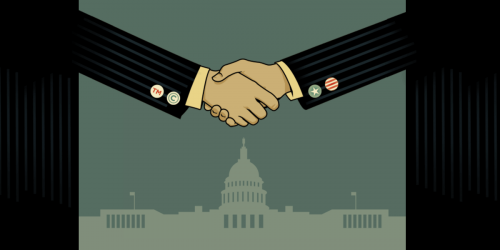
Today's release by Wikileaks of what is believed to be the current and essentially final version of the intellectual property (IP) chapter of the Trans-Pacific Partnership (TPP) confirms our worst fears about the agreement, and dashes the few hopes that we held out that its most onerous...
Partial Victory: Obama Encryption Policy Rejects Laws Mandating Backdoors, But Leaves the Door Open for Informal Deals
Obama’s position on encryption is now public, as reported by the Washington Post. According to Ellen Nakashima and Andrea Peterson of the Post, Obama “will not —for now—call for legislation requiring companies to decode messages for law enforcement.”
Instead, the Post reports, the “administration will continue trying to...
No Safe Harbor: How NSA Spying Undermined U.S. Tech and Europeans' Privacy
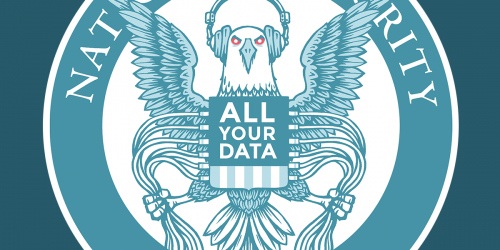
The spread of knowledge about the NSA's surveillance programs has shaken the trust of customers in U.S. Internet companies like Facebook, Google, and Apple: especially non-U.S. customers who have discovered how weak the legal protections over their data is under U.S. law. It should come as no surprise, then, that...

Breaking Section 230’s Intermediary Liability Protections Won't Fix Harassment
As we've noted before, online harassment is a pressing problem—and a problem that, thankfully and finally, many are currently working on together to mitigate and resolve. Part of the long road to creating effective tools and policies to help users combat harassment is drawing attention to just how bad...
France's Government Aims to Give Itself—and the NSA—Carte Blanche to Spy on the World
The United States makes an improper division between surveillance conducted on residents of the United States and the surveillance that is conducted with almost no restraint upon the rest of the world. This double standard has proved poisonous to the rights of Americans and non-Americans alike. In theory, Americans enjoy...

Our Broken Patent System at Work: Patent Owner Insists the “Integers” Do Not Include the Number One
Patent trolls are a tax on innovation. The classic troll model doesn’t include transferring technology to create new products. Rather, trolls identify operating companies and demand payment for what companies are already doing. Data from Unified Patents shows that, for the first half of this year, patent trolls...
CalECPA and the Legacy of Digital Privacy: An Open Letter to Gov. Jerry Brown
Update: Gov. Brown signed S.B. 178 on October 8, 2015. This open letter was crossposted to Medium.
Dear Gov. Brown,
Electronics, computers, satellites, biotechnology, robotics – these are no longer dreams. They are the driving imperative that is restructuring the world economy. These new technologies...

