

Passing of the Internet Blacklist Bill Spells Bad News for Freedom of Expression in Russia
The Russian Duma overwhelmingly approved the controversial Internet regulation Bill № 89417-6. 441. A total of 441 out of 450 deputies representing all four party factions within the Duma, voted to support the bill. The regulations set forth within the bill, including the creation of a national blacklist...
Congress Must Act After US Government Admits To Unconstitutional Warrantless Wiretapping For the First Time
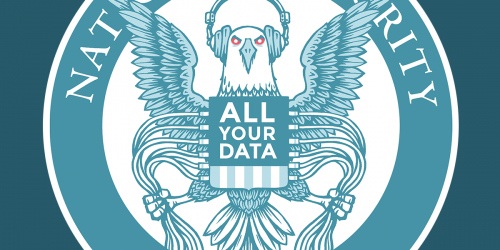
As Congress and the President rush to re-authorize the dangerous FISA Amendments Act (FAA)—the law shamefully passed after pressure to legalize certain portions of the NSA’s warrantless wiretapping program—EFF has been sounding the alarm that Americans’ communications are still being unconstitutionally collected by the government without a warrant....

This Week in Internet Censorship: Expanding Anti-Blasphemy Laws in Saudi Arabia, Deporting Activists from the UAE, Chinese Video Sites to Pre-Censor, and Sweden's TeliaSonera to Submit for Human Rights Review
Saudi Arabia: Expanding anti-blasphemy laws to social media content
Saudi Arabia is considering updated regulations that criminalize insulting Islam. Saudi news outlet Al-Watan reported that the appointed Shura Council will study the potential for new laws to “combat the criticism of the basic tenets of Islamic sharia”...

Blogging WIPO: News on a possible international treaty on copyright exceptions & limitations for education
From July 16 to July 25, 2012, roughly 185 states are meeting in Geneva at the World Intellectual Property Organization (WIPO) to discuss three international treaties on copyright exceptions and limitations, as well as to negotiate alleged content rights of broadcasting organizations. Specifically, it is the meeting of...

Why the WikiLeaks Grand Jury is So Dangerous: Members of Congress Now Want to Prosecute New York Times Journalists Too
For more than a year now, EFF has encouraged mainstream press publications like the New York Times to aggressively defend WikiLeaks’ First Amendment right to publish classified information in the public interest and denounce the ongoing grand jury investigating WikiLeaks as a threat to press freedom.
Well,...
This Week in Transparency: Release of Records, Classification Reviews, and Court Relief
FAA Releases Thousands of Pages of Drone Records to EFF
In response to EFF’s Freedom of Information Act lawsuit, which has already uncovered the list of all entities licensed to fly domestic drones, last week, the FAA released the certificates of authorization and other records related to those...
Proponents of Canada’s Online Spying Bill Still Trying to Justify Excessive Powers
Canada’s online surveillance bill may be on hold for now, but a recent news article confirms that a rather formidable figure has been angling for its return: Richard Fadden, head of the Canadian equivalent of the FBI. Fadden, director of the Canadian Security Intelligence Service (CSIS), wrote in...
With Conviction of Eskinder Nega, Ethiopia Backslides Further
Last week, EFF was dismayed to learn that Ethiopian journalist and blogger Eskinder Nega had been sentenced to eighteen years in prison under a sweeping and overbroad Anti-Terrorism Proclamation. More than one hundred other Ethiopians, including nine journalists, have been sentenced under the vague law. In December 2011,...
The Death of SOPA Was Not a Fluke: Three Reasons Why Elected Officials Should Endorse the Declaration of Internet Freedom
The January 18th blackout protesting the Stop Online Piracy Act (“SOPA”) was an unprecedented event in Internet history. Within 24 hours, dangerous and draconian copyright legislation went from being a forgone conclusion in Congress to completely rejected by its members. Still, many observers have remarked that, despite the...

New Cybersecurity Proposal Patches Serious Privacy Vulnerabilities
For months, we’ve been raising the alarm about the serious civil liberties implications of the cybersecurity bills making their way through the Senate. Hours ago, we received some good news. A new bill called the Cybersecurity Act of 2012 (S 3414) is replacing the prior Lieberman-Collins Cybersecurity Act...

