

There’s No Copyright Exception to First Amendment Protections for Anonymous Speech
Some people just can’t take a hint. Today’s perfect example is a group of independent movie distributors that have repeatedly tried, and failed, to force Reddit to give up the IP addresses of several users who posted about downloading movies. The distributors claim they need this information to support their...
UK Politicians Join Organizations in Calling for Immediate Release of Alaa Abd El-Fattah
As the UK’s Prime Minister Keir Starmer and Foreign Secretary David Lammy have failed to secure the release of British-Egyptian blogger, coder, and activist Alaa Abd El-Fattah, UK politicians call for tougher measures to secure Alaa’s immediate return to the UK.During a debate on detained British nationals abroad in early...
EFF's 17th Annual Cyberlaw Trivia Night
On Thursday, June 5th, the Bay Area's best legal minds gather in support of online freedom as we celebrate our 16th Annual Cyberlaw Trivia Night!This event brings lawyers from Bay Area firms and tech companies together in the ultimate battle of mastery over privacy, free speech, and intellectual property law....

What You Should Know When Joining Bluesky
Bluesky promises to rethink social media by focusing on openness and user control. But what does this actually mean for the millions of people joining the site?November was a good month for alternatives to X. Many users hit their balking point after two years of controversial changes turned Twitter...
Australia Banning Kids from Social Media Does More Harm Than Good
Age verification systems are surveillance systems that threaten everyone’s privacy and anonymity. But Australia’s government recently decided to ignore these dangers, passing a vague, sweeping piece of age verification legislation after giving only a day for comments. The Online Safety Amendment (Social Media Minimum Age) Act 2024,...

EFF Statement on U.S. Supreme Court's Decision to Consider TikTok Ban
The TikTok ban itself and the DC Circuit's approval of it should be of great concern even to those who find TikTok undesirable or scary. Shutting down communications platforms or forcing their reorganization based on concerns of foreign propaganda and anti-national manipulation is an eminently anti-democratic tactic, one that the...

Speaking Freely: Winnie Kabintie
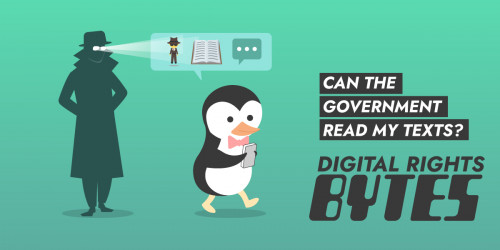
“Can the Government Read My Text Messages?”
You should be able to message your family and friends without fear that law enforcement is reading everything you send. Privacy is a human right, and that’s why we break down the ways you can protect your ability to have a private conversation. Learn how governments are able to...

EFF at SCaLE 22x
As always, EFF is excited to be back in Pasadena, CA for SCaLE 22x! Stop by the EFF booth to chat with some of our team and learn about the latest news in defending digital freedom for all. You can even pick up a special gift as a token...
10 Resources for Protecting Your Digital Security | EFFector 36.15
Get a head-start on your New Year's resolution to stay up-to-date on digital rights news by subscribing to EFF's EFFector newsletter! This edition of the newsletter covers our top ten digital security resources for those concerned about the incoming administration, a new bill that could put an end...

