


 EFFector Volume 38, Issue 21🎩 Tech Monopolies Make Outages WorseWelcome to EFFector, your regular digest on everything digital rights from the Electronic Frontier Foundation. In our 856th issue: ALPR at the ballot box, surveillance wearables, and how digital monoculture makes service outages worse. |
|---|
|
When you lose your rights online, you lose them in real life. Become an EFF member today! |
|---|
Outage Chaos: When Tech Is Too Big to Fail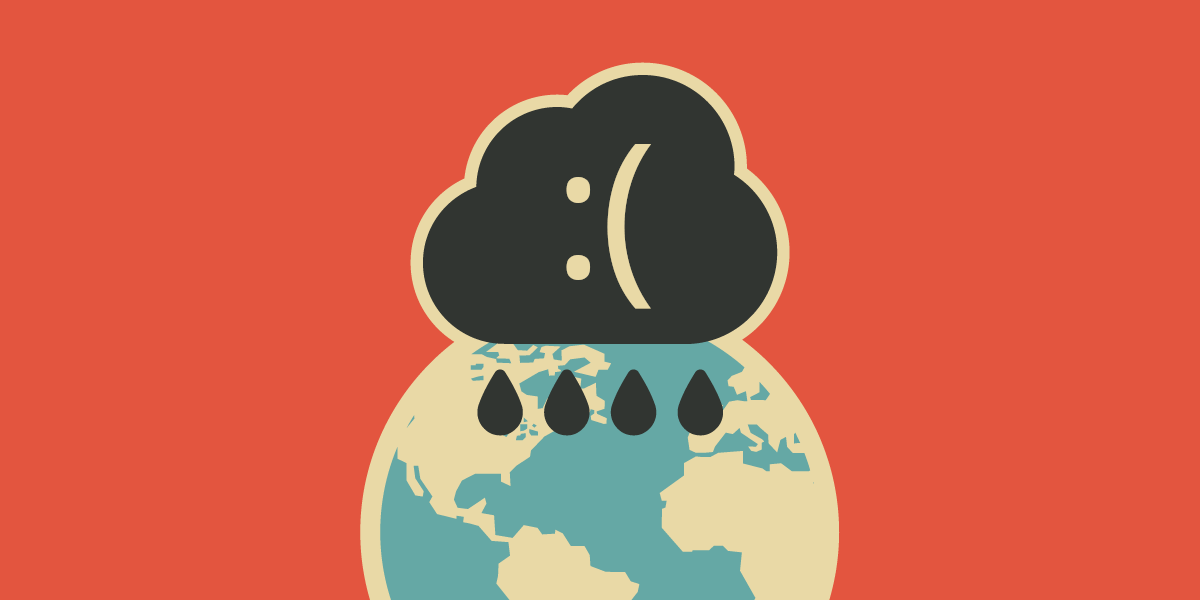
Service outages, like the ones we've recently seen take down everything from airlines to email, can be more than just an annoying hurdle. They can cut off access to vital information and lines of communication. We deserve a resilient internet where no one outage at one company can put people at risk and disrupt the global economy. We can only get there by addressing an over-reliance on a few cloud monopolists through effective antitrust laws and interoperability requirements. The harms inflicted by tech monopolies go beyond monetary costs to the end user. Losing diversity in our digital infrastructure creates a less stable and less resilient internet for everyone. When everything from daily tasks to national security is reliant on a few digital monocultures, one mistake or exploit can cascade into an explosive impact. Central to removing these chokepoints must be undercutting platform control by fostering interoperability, i.e. when tools are made to be compatible among competitors. When this is done carefully, it’s not only easier to switch to better alternatives, we wind up with more alternatives as it becomes more viable to compete or offer complementary tools alongside existing systems. Technical errors will always exist, whether it’s a bug, negligence from an administrator, or a malicious attack. The problem is an over-reliance on any one company or system when these inevitable outages occur. It’s a matter of public safety and economic stability that policymakers mitigate the impact of these disruptions before they occur. In order to do so, we must adopt policies that prevent providers of key technical systems from becoming too big to fail.
EFF Updates🗳VOTING OUT ALPR: Do automated license plate readers (ALPRs) like those made by Flock Safety belong in our neighborhoods? This past election day, communities in Maine and Texas took this question to the ballot box. And overwhelmingly, their voters decided that, no, these devices should not be deployed on our streets. We agree! EFF has supported local communities around the country over the last few years in advocating against the procurement of surveillance technologies in their cities, counties, and states. Surveillance is a choice, not a mandate, and our communities have the power to refuse it. 🤖 AI BREACHES: The news has been filled with stories recently of AI breaching the security of websites. And while it may feel like a new problem because of AI’s involvement, it turns out that there are longstanding existing cybersecurity safety best practices that these companies—some of the largest tech companies in the world—could and should have taken to prevent these breaches. The public shouldn’t have to worry about the risks of reckless AI development—or give up the benefits of AI just to prevent irresponsible developers from causing harm. By adopting policies that address demonstrated risks, lawmakers can provide meaningful public protection without hampering the development of useful tools. 🕶 SURVEILLANCE WEARABLES: Tech companies are trying to shift the entire concept of privacy (again). Meta, Google, and dozens of other companies are now introducing pendants, rings, and other products designed to record, transcribe, or summarize everything we say and do. They believe these ambient surveillance devices are the future and expect the owners of these devices to use them responsibly, notify those around them of their capabilities, and act within the law. This is not reasonable, nor how consent works in any practical sense. 👹 PATENT TROLLS: Software patents are mostly vague, hard to define, and widely abused. A patent on one feature of a smartphone shouldn’t give the patent owner the power to threaten the existence of the entire product line. But that is exactly the leverage patent trolls want—and the current administration is helping them to get it. In two recent patent cases, the Justice Department and the U.S. Patent and Trademark Office have asked courts to make it easier for patent owners to get injunctions. The government should be protecting the public, not patent owners. |
|---|
Support the Electronic Frontier Foundation
We're making sure technology serves all people—not just the powerful. Your contribution funds the attorneys, activists, and technologists who defend privacy, free expression, and human rights online—for everyone. Since 1990, EFF has led the charge for your digital rights. We're powered by members, and we need you in this fight. |
|---|
"We could have such a better, more dynamic internet than this."EFF's Rory Mir on how digital monoculture is limiting the internet's potential. Hear our conversation with Rory on the latest episode of the EFFector podcast. Listen here: 
MiniLinks🗣️ Free Speech
🔒 Privacy
🗝️ Security
AnnouncementsEFF Events
EFF Opportunities Corporate Giving and Sponsorships
|
|---|
Fresh EFF Gear Is Here
Show off your support for EFF with hot digital rights merch from our online store. Just in: a "I Do Not Consent to the Tracking of This Vehicle" license plate holder to tell the world how you feel about warrantless mass surveillance. In addition to EFF shirts and hoodies, we have a wide variety of freedom-supporting swag in stock, including (extremely popular) liquid core gaming dice, HTTP playing cards, and a tactile Lady Justice braille sticker. |
|---|

AdministriviaEFFector is a publication of the Electronic Frontier Foundation. Editor: editor@eff.org Membership and donation queries: membership@eff.org General EFF, legal, policy, or online resources queries: info@eff.org
Reproduction of this publication in electronic media is encouraged. MiniLinks do not necessarily represent the views of EFF.
About EFFThe Electronic Frontier Foundation is the leading nonprofit defending online civil liberties. We promote digital innovation, defend free speech, fight illegal surveillance, and protect rights and freedoms for all as our use of technology grows. Find out more at https://www.eff.org/.
This message is printed from 100% recycled electrons. EFF appreciates your support and respects your privacy.
|
|---|
