Electronic Frontier Foundation
EFF is the leading civil liberties group defending
your rights in the digital world. » About Us
  • Home
  • About
  • Our Work
  • Deeplinks Blog
  • Press Room
  • Take Action
  • Shop
Home » Deeplinks Blog » August, 2010
  • Deeplinks Archives
    • October, 2011
    • September, 2011
    • August, 2011
    • July, 2011
    • June, 2011
    • May, 2011
    • April, 2011
    • March, 2011
    • More Archives
  • Blog Categories
    • Accessibility for the Reading Disabled
    • Analog Hole
    • Announcement
    • Anonymity
    • Anti-Counterfeiting Trade Agreement
    • Bloggers' Rights
    • Broadcast Flag
    • Broadcasting Treaty
    • CALEA
    • Call To Action
    • CDA 230
    • Cell Tracking
    • Coders' Rights Project
    • Commentary
    • Copyright Trolls
    • Council of Europe
    • Criminalizing Content
    • Development Agenda
    • Digital Books
    • Digital Radio
    • Digital Rights Management
    • Digital Video
    • DMCA
    • DMCA Rulemaking
    • Do Not Track
    • E-Voting Rights
    • EFF Europe
    • EFF15
    • File Sharing
    • FOIA Litigation for Accountable Government
    • Free Speech
    • Free Trade Agreement of the Americas
    • Hollywood v. DVD
    • Innovation
    • Intellectual Property
    • International
    • International Privacy Standards
    • Legal Analysis
    • Legislative Analysis
    • Locational Privacy
    • Mandatory Data Retention
    • miniLinks
    • National Security Letters
    • Net Neutrality
    • News Roundup
    • News Update
    • No Downtime for Free Speech Campaign
    • NSA Spying
    • Online Behavioral Tracking
    • Patents
    • PATRIOT Act
    • Pen Trap
    • Printers
    • Privacy
    • Real ID
    • RFID
    • Search Engines
    • Search Incident to Arrest
    • Security
    • Social Networks
    • Technical Analysis
    • Terms Of (Ab)Use
    • Test Your ISP
    • The COICA Internet Censorship and Copyright Bill
    • The Global Network Initiative
    • Transparency
    • Travel Screening
    • Trusted Computing
    • Video Games
    • Wikileaks
    • WIPO
August 23rd, 2010
Email This Digg This Post this to Reddit Share this blog post with delicious Share this on Facebook Tweet this blog post Dent this blog post

UPDATED: Security Researcher Arrested for Refusing to Disclose Anonymous Source

Deeplink by Marcia Hofmann

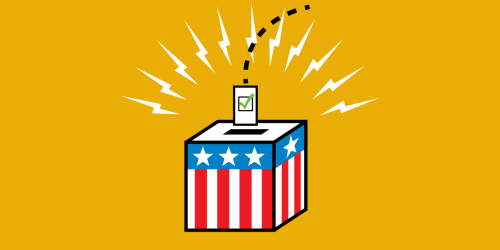
An Indian computer scientist was arrested this weekend when he refused to disclose an anonymous source who provided an electronic voting machine to a team of security researchers.

Hari Prasad is the managing director of Netindia Ltd., an Indian research and development firm. He and other researchers have long questioned the security of India's paperless electronic voting machines. Despite repeated reports of election irregularities and concerns about fraud, the Election Commission of India insists that the machines are tamper-proof.

In 2009, the commission publicly challenged Prasad to show that India's voting machines could be compromised, but refused to give him access to the machines to perform a review. Earlier this year, an anonymous source provided an Indian voting machine to a research team led by Prasad, Alex Halderman, and Rop Gonggrijp. The team exposed security flaws that could allow an attacker to change election results and compromise ballot secrecy. They published a paper detailing their findings, which you can read here.

According to Halderman, Prasad was questioned Saturday morning at his home in Hyderabad by authorities who wanted to know the identity of the source who gave the voting machine to the research team. Prasad was ultimately arrested and taken to Mumbai, though reportedly hadn't been charged with a crime.

This turn of events is deeply troubling. Prasad is a respected researcher who helped to discover a critical flaw in India's voting system. He and his fellow researchers would never have been able to document the weaknesses in India's voting machines without the help of their anonymous source. This is precisely why anonymity is important: it allows people to make important contributions to the public dialogue without fear of retribution.

The Election Commission of India should have given researchers access to the voting machines in the first place. Rather than attempting to persecute Prasad and the anonymous source, the government should be focusing its attention and resources on the real problem: electronic voting machines with no mechanism for accountability.

UPDATE: According to the Times of India and Reuters, Prasad has been charged in connection with the alleged theft of the voting machine studied by the research team. He has been remanded to police custody until Thursday, August 26.


Related Issues: Anonymity, Coders' Rights Project, E-Voting Rights, International

[Permalink]

Donate to EFF
Make a One-Time Contribution
Join EFF
Become a Member

Subscribe to EFFector

EFF's Newsletter and Action Alerts

Headlines

  • Victory for Reader Privacy
  • The Humble Frozen Synapse Bundle
  • Don't Let Privacy Law Get Stuck in 1986
  • Open Source Security
  • 2011 Pioneer Awards!

Projects

  • Bloggers' Rights
  • Coders' Rights
  • FOIA Project
  • Follow EFF
  • Patent Busting
  • Surveillance Self-Defense
  • Teaching Copyright
  • Takedown Hall of Shame
  • TOSBack
  • Ways To Help
Want to learn how you can defend free speech, stand up for privacy, fight for government transparency, support consumer rights, and protect your right to innovation in the digital world? Visit http://eff.org/fight to find ways to help.
Creative Commons Licensed
  • Thanks
  • RSS Feeds
  • Copyright Policy
  • Privacy Policy
  • Contact EFF